Injection molded parts are components that are produced using the injection molding process, which is a widely used manufacturing method for producing large quantities of identical plastic parts.
The injection molding process involves injecting molten plastic material into a mold cavity under high pressure, where it cools and solidifies to create the desired shape and structure of the part. The mold itself consists of two halves that come together to form the mold cavity, and it is designed to create the specific shape and features of the part being produced.
Injection molded parts are used in a wide range of applications, including automotive parts, medical devices, consumer goods, and electronics. They are typically mass-produced using specialized equipment and machinery that can produce thousands of identical parts quickly and efficiently.

High production volume
Injection molding is ideal for producing large volumes of identical parts. This makes it an economical choice for manufacturers who require a large number of parts.
Design flexibility
Injection molding can produce parts with complex shapes and designs. This allows manufacturers to create custom parts that meet their specific requirements.
Cost-effectiveness
Injection molding can reduce production costs by minimizing material waste and eliminating the need for multiple manufacturing steps.
Durability
Injection molded parts are known for their durability. The molding process creates a strong, long-lasting part that can withstand heavy use.
Versatility
Injection molding can be used with a variety of materials, including plastics, metals, and composites. This allows manufacturers to create parts with different properties and characteristics.
Precision
Injection molding can produce parts with precise dimensions and tight tolerances. This ensures that each part meets the manufacturer's specifications.
Time-saving
Injection molding is a quick process that can produce parts in minutes. This reduces the time it takes to produce large quantities of parts.
Recyclability
Many of the materials used in injection molding are recyclable, making it an environmentally friendly manufacturing process.
Customization
Injection molding allows for a high level of customization, meaning that parts can be tailored to meet specific requirements and preferences.
Scalability
Injection molding can accommodate both small-scale and large-scale production, making it a versatile option for manufacturers of all sizes.
Material of Injection Molded Parts
Injection molded parts can be made from a variety of materials, depending on the specific application requirements and the properties needed for the final product. Here are some common materials used in injection molding:
Polypropylene (PP): Polypropylene is a lightweight, inexpensive, and durable thermoplastic polymer. It is commonly used in the production of household products, packaging materials, and medical devices.
Acrylonitrile butadiene styrene (ABS): ABS is a strong, rigid, and impact-resistant thermoplastic polymer. It is commonly used in the production of electronic components, automotive parts, and toy manufacturing.
Polyethylene (PE): Polyethylene is a lightweight, flexible, and inexpensive thermoplastic polymer. It is commonly used in the production of packaging materials, plastic bags, and household products.
Polyvinyl chloride (PVC): PVC is a rigid, brittle, and inexpensive thermoplastic polymer. It is commonly used in the production of pipes, fittings, and building materials.
Polycarbonate (PC): Polycarbonate is a strong, transparent, and heat-resistant thermoplastic polymer. It is commonly used in the production of medical devices, electronic components, and protective shields.
Nylon (PA): Nylon is a strong, flexible, and abrasion-resistant thermoplastic polymer. It is commonly used in the production of gears, bearings, and other mechanical components.
Thermoplastic elastomers (TPEs): TPEs are a class of materials that can be easily shaped and molded when heated, and they return to their original shape when cooled. They are commonly used in the production of flexible and elastic parts, such as phone cases and rubber seals.
The material used in injection molding depends on the specific requirements of the application, including the desired properties of the final product, such as strength, durability, flexibility, and cost-effectiveness.
Automotive industry
Injection molding is commonly used in the automotive industry to produce a wide range of parts, such as dashboards, air vents, gear knobs, and interior and exterior trim components. Injection molding allows for the production of large quantities of identical parts with a high degree of precision and consistency.
Medical industry
Injection molding is widely used in the production of medical devices, such as syringes, IV connectors, catheters, and medical diagnostic equipment. Injection molding allows for the production of high-precision parts that meet strict regulatory standards for medical devices.
Electronics industry
Injection molding is commonly used in the production of electronic components, such as phone cases, keyboards, computer housings, and electrical covers. Injection molding allows for the production of complex shapes and structures with a high degree of precision and consistency.
Household products
Many household products are made using injection molding, such as toothbrushes, shampoo bottles, soap dispensers, and kitchenware. Injection molding allows for the production of high-volume consumer products with a range of textures, colors, and shapes.
Footwear industry
Injection molding is used to produce a variety of footwear components, including soles, heels, and shoe uppers. Injection molding allows for the production of high-performance footwear with custom shapes, textures, and materials.
Toy manufacturing
Injection molding is commonly used to produce toys, such as action figures, toy cars, and board game pieces. Injection molding allows for the production of high-volume, low-cost toys with a range of colors, shapes, and textures.
Packaging industry
Injection molding is widely used in the production of packaging materials, such as caps, closures, containers, and trays. Injection molding allows for the production of high-volume, custom-designed packaging solutions with a range of materials, textures, and colors.
Construction industry
Injection molding is used to produce construction materials, such as window frames, roof tiles, and building panels. Injection molding allows for the production of high-strength, custom-designed building materials with a range of shapes, sizes, and materials.
Process of Injection Molded Parts

01.Material selection
02.Design of mold
03.Mold fabrication
04.Injection molding
05.Post-processing
06.Quality control
Mold base
The mold base is the structural component that holds the mold together during the injection molding process. It provides support and stability for the other components of the mold and ensures that the molten material is injected evenly into the mold cavity.
Mold cavity
The mold cavity is the portion of the mold that defines the shape and structure of the injection molded part. It is typically machined to precise specifications to ensure that the resulting part meets the required dimensional accuracy and tolerances.
Ejector system
The ejector system is responsible for removing the finished injection molded part from the mold after it has cooled and solidified. It typically consists of a series of ejector pins that push the part out of the mold cavity.
Cooling system
The cooling system is responsible for rapidly cooling the molten material within the mold cavity to solidify it and form the desired shape and structure of the injection molded part. It typically consists of channels or passages through which a coolant, such as water or oil, is circulated to remove heat from the mold.
Feed system
The feed system is responsible for delivering the molten material to the mold cavity during the injection molding process. It typically consists of a hopper that holds the raw material, a heating element to melt the material, and a feed mechanism that delivers the molten material to the mold.
Nozzle
The nozzle is the component that delivers the molten material from the feed system to the mold cavity. It is typically designed to fit tightly against the mold gate to ensure a secure seal and prevent leaks during the injection molding process.
Gate
The gate is the opening through which the molten material is injected into the mold cavity during the injection molding process. It is typically located at a point of low curvature in the mold cavity to minimize the risk of material flow defects.
Inspection
Regular inspection of injection molded parts is essential to identify any potential issues before they become significant problems. Inspections should include checking for signs of wear, damage, corrosion, or other defects that could affect the performance of the parts.
Cleaning
Regular cleaning of injection molded parts is important to remove dirt, dust, and other contaminants that can accumulate over time and cause premature failure of the parts. Cleaning methods may include using solvents, brushes, or compressed air to remove debris and other contaminants.
Lubrication
Lubrication of injection molded parts helps to reduce friction and wear between moving components, prolonging the life of the parts. Lubricants may include oils, greases, or other specialized lubricants that are compatible with the material and application of the parts.
Replacement
Over time, injection molded parts may become worn or damaged, and replacement may be necessary to ensure optimal performance. Regularly inspecting parts and monitoring wear patterns can help determine when replacement is necessary.
Storage
Proper storage of injection molded parts can help prevent premature failure and extend their life. Storage methods should include keeping parts dry and free from contaminants, using protective covers or containers, and storing parts in a clean, dry environment.
Training
Training employees on proper maintenance procedures for injection molded parts is essential to ensure that the parts are maintained correctly and safely. Training should cover inspection, cleaning, lubrication, replacement, and storage procedures, as well as any safety protocols that need to be followed.
Recordkeeping
Keeping accurate records of maintenance procedures and any issues that arise can help identify trends and potential problems, allowing for proactive maintenance and preventing costly downtime.
Material selection
The material used for injection molded parts can greatly affect their properties, performance, and cost. Common materials used for injection molding include polypropylene, ABS, nylon, and polystyrene. Consider the physical and chemical properties required for the application, as well as the material's impact strength, thermal resistance, and cost.
Design specifications
The design of the injection molded part should take into account the specific requirements of the application, including size, shape, surface finish, and tolerances. Careful attention to design details can help optimize the performance of the part and minimize production costs.
Production capabilities
The chosen injection molding company should have the equipment and expertise to produce the desired injection molded parts within the specified timeframe and budget. Consider the company's production capacity, experience, and track record for quality and reliability.
Cost
Cost is an important consideration when choosing injection molded parts. The cost of the parts will depend on the material selected, the complexity of the design, and the production volume. Carefully review quotes and estimates from multiple manufacturers to ensure that you are getting the best value for your investment.
Communication
Effective communication with the injection molding manufacturer is essential to ensure that the parts are produced to meet your specifications and requirements. Provide clear and detailed instructions and maintain open communication throughout the production process.
Testing and validation
Before choosing injection molded parts, it is important to test and validate their performance to ensure that they meet the required specifications and standards. Conduct appropriate testing and validation procedures to verify the functionality and reliability of the parts.
How Injection Molded Parts Work
Injection molded parts are created through a manufacturing process that involves melting plastic and injecting it into a mold to create a specific shape and design. Here's a detailed explanation of how injection molded parts work:
Material preparation: The first step in the injection molding process is to prepare the material, which typically involves melting plastic pellets into a liquid form. The material is heated until it reaches a molten state, at which point it is ready to be injected into the mold.
Injection: Once the material is prepared, it is injected into the mold cavity through a nozzle located on the injection molding machine. The material is forced into the mold under high pressure and fills the entire cavity, creating a precise shape and design.
Cooling: After the material is injected into the mold, it must be cooled and solidified into its final form. This is typically done by introducing a cooling element into the mold, such as a chill plate or circulating water, which reduces the temperature of the material and causes it to harden.
Ejection: Once the material has solidified and cooled, the injection molded part is ejected from the mold. The ejection mechanism pushes the part out of the mold cavity and onto a conveyor belt or other collection area.
Post-processing: Depending on the specific application and requirements of the injection molded part, additional post-processing steps may be necessary. These can include trimming excess material, drilling holes, applying paint or other surface treatments, and inspecting the part for defects or imperfections.
Injection molded parts work by melting plastic and injecting it into a mold to create a specific shape and design. Through careful preparation, injection, cooling, ejection, and post-processing steps, injection molded parts can be produced with precision and consistency, making them a popular choice for a wide range of applications and industries.
CFY specialize in plastic injection, CNC turning, CNC milling, CNC grinding and have successfully collaborated with companies in these field. We have over 14 years' experience on this field. We specialize in producing various types of components, which are widely applicable to aviation, hand tools, electronics, electrical appliances, automotive, machinery, construction materials, optics, electronic gadgets, cosmetics, and household items.
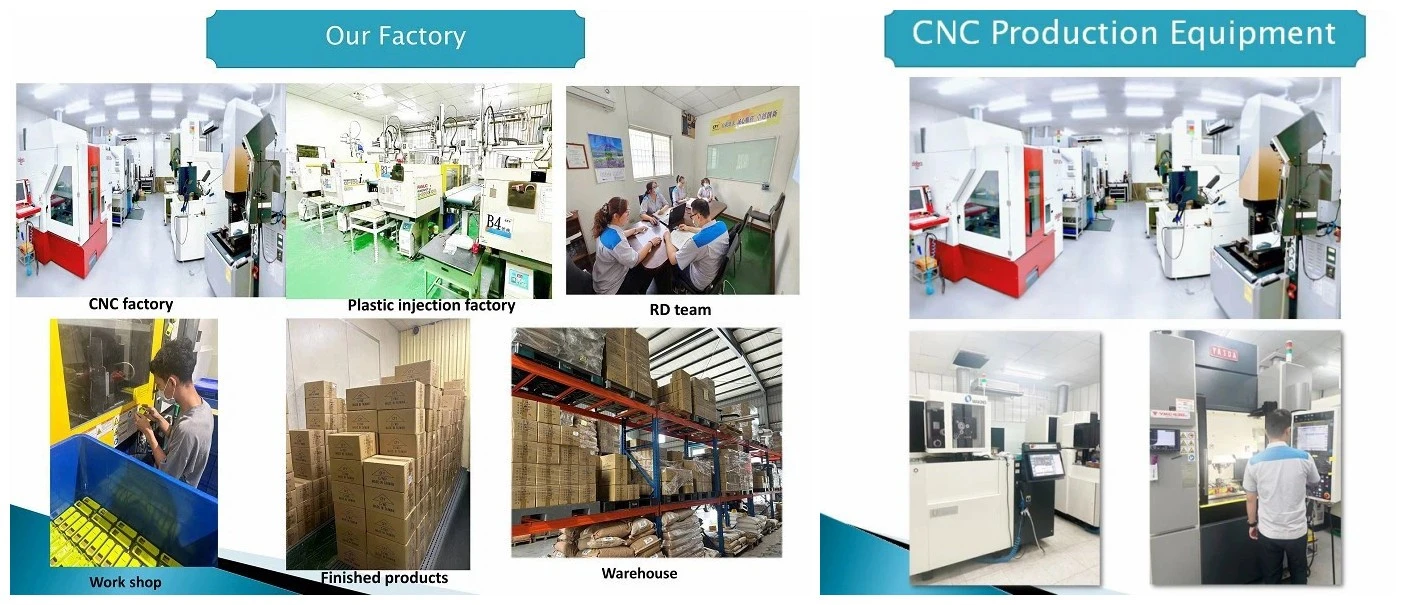
As one of the leading injection molded parts manufacturers and suppliers, we warmly welcome you to buy discount injection molded parts for sale here from our factory. All customized products are with high quality and competitive price. For pricelist and free sample, contact us now.
Stainless Steel CNC Machining Services, CNC Cutting, Medical Device Plastic Injection Molding(0/10)