|
MANUFACTURING |
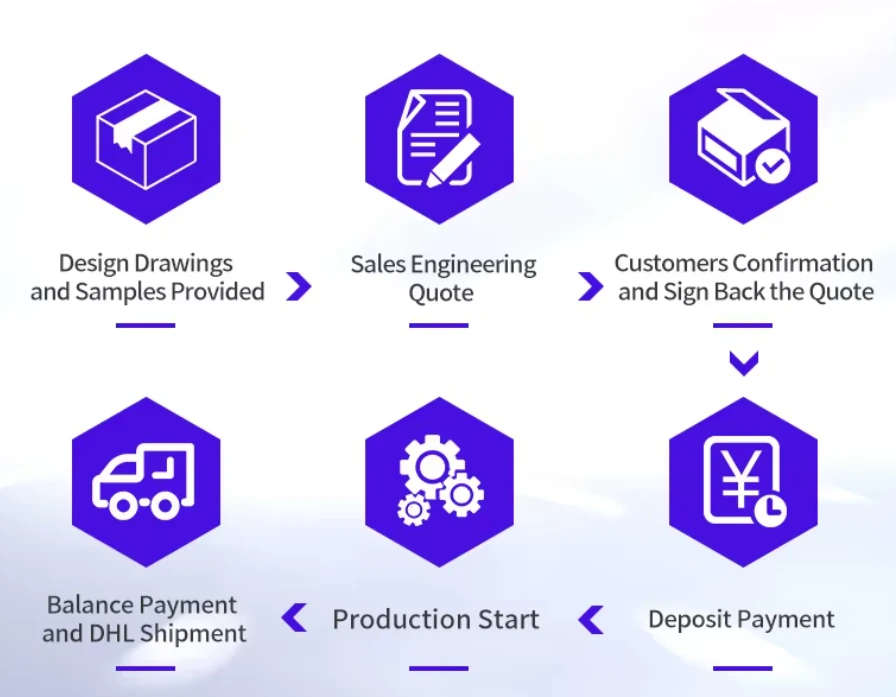
According To the Drawings and Samples. |
|
SERVICE METHOD |
OEM |
|
MATERIALS |
Ductile Iron, Malleable Iron, Gray Iron, Carbon Steel, Stainless Steel, Brass, Aluminum Alloy Steel. |
|
PROCESS |
Sand Casting, Investment Casting, Die Casting, Lost Foam Casting. |
|
FINISHING |
Heat Treatment, CNC Machining, Surface Treatment. |
Complex Geometry and Design Freedom
Metal casting excels in producing intricate and complex geometries that would be challenging or impossible to achieve through fabrication processes. By using molds, metal can be poured into intricate shapes with fine details, internal cavities, and varying thicknesses.
Material Efficiency and Waste Reduction
One of the key advantages of metal casting is its superior material efficiency. Casting techniques, such as investment casting or sand casting, enable near-net-shape production. This means that the castings require minimal post-processing or machining, resulting in less material waste compared to fabrication processes.
Cost-Effectiveness
Metal casting offers significant cost advantages, particularly in large-scale production. Once the initial casting mold or pattern is created, it can be used repeatedly to produce multiple identical components. This leads to economies of scale, reducing the cost per unit.
Strength, Durability, and Material Selection
Metal castings possess exceptional strength, durability, and the ability to withstand demanding operating conditions. The casting process allows for the selection of specific alloys and heat treatments, tailoring the mechanical properties of the cast parts to meet the required specifications.
Versatility in Material Choice
Metal casting provides a broad range of material choices, including various metals and alloys. From aluminum and steel to copper, bronze, and even exotic alloys, metal castings can be tailored to meet specific application requirements.

Automotive
The automobile industry uses metal casting to make various components using ferrous, non-ferrous metals and their alloys.
Medical
The medical industry makes use of metal casting because it is a quick process. In this application, metals like stainless steel and aluminum are most commonly used.
Electronics
Mass production for electronic parts — both industrial and commercial — is common, which is why metal casting is a valuable method for this industry.
Aerospace
Metal casting is also applied in the aerospace industry. From civilian aircraft to jet fighters, there are several applications for this method.
Plant Machinery
For plant machinery — especially those that transport sensitive chemicals and materials — corrosion resistance is of utmost importance.
Step 1: Create the pattern
Before you make your mold, you must create a pattern to determine the mold’s shape. The pattern can be a 3-dimensional model of your final cast. It may be shaped in wax, sand, plastic, or even wood.
Step 2: Make the mold
After you have created a pattern, it is time to make your mold. As we mentioned above, you may choose to make a reusable mold, which is typically made from metal, or a single-use mold, which may be made from sand, plaster, or ceramic shell.
Step 3: Choose the metallic alloy
All metal castings are produced from either ferrous or non-ferrous alloys. Alloys are a mixture of elements that provide the best mechanical properties for the final cast’s use. Ferrous alloys include steel, malleable iron, and gray iron.
Step 4: Melt the alloy
Melting processes vary between alloys because each alloy will have a different melting temperature. Essentially, melting consists of placing the solid alloy in a crucible and heating it over an open flame or inside of a furnace.
Step 5: Pour into the mold
Pour the molten metal into the mold cavity. If it is a small casting, you may simply pour from the crucible where the metal was heated directly into the mold.
Step 6: Remove the casting from the mold
When the metal has cooled and solidified, you can remove it from the mold. If you cast into a single-use mold, you can break away the mold from the casting.
Step 7: Finishing
File and polish your solid metal cast! This may involve cleaning your cast metal object, like scrubbing away excess mold material in water, breaking off the casting gates with clippers for small objects, or even an angle grinder for large pieces.
Sand Casting
The sand mold casting method uses tightly packed fine silica-based materials or sand grains to make the mold.
Investment Casting
The investment mold casting process is relatively more complex than sand cast. It involves preparing a mold using wax patterns connected in a central wax sprue.
Die Casting
This casting uses permanent molds ( called die) made from strong materials like hardened tool steel. It is typically used for materials like zinc, aluminum, copper, and tin.
Centrifugal Casting
The centrifugal or rotatory cast method uses a cylindrical mold that rotates around its axis, and liquid metal is poured into this rotating mold.
Gravity Die Casting
Pressure injection or plunger mechanism is unnecessary for the metal pouring during the gravity die-casting process.
Vacuum Die Casting
As the name suggests, the vacuum casting process molds the molten states of metal or plastics into the vacuum.
Squeezing Die Casting
This method creates the parts by pressing the liquid and semi-solid material inside the die.
Lost Foam Casting
The reason behind the name “lost foam” is that a polystyrene foam pattern of the desired part is responsible for producing the final shape.
Continual Casting
The continual casting includes continuous pouring, solidification, and part removal in a production line.
|
Packaging |
Carton, Wooden case, pallet, or according to the customers' requirements. |
|
Shipping |
Shipping by sea, by air, by express are acceptable. According to your requirements. |
We have over 14 years of experience in this field. We specialize in producing various types of components!
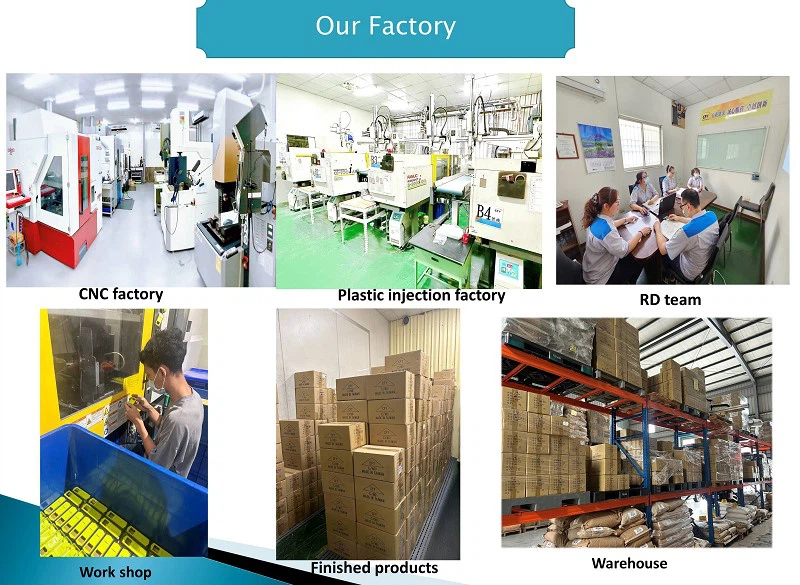
As one of the leading metal casting molds manufacturers and suppliers, we warmly welcome you to buy discount metal casting molds for sale here from our factory. All customized products are with high quality and competitive price. For pricelist and free sample, contact us now.
casting plastic parts, CNC Aluminum Parts, High Precision CNC Machining Parts(0/10)