






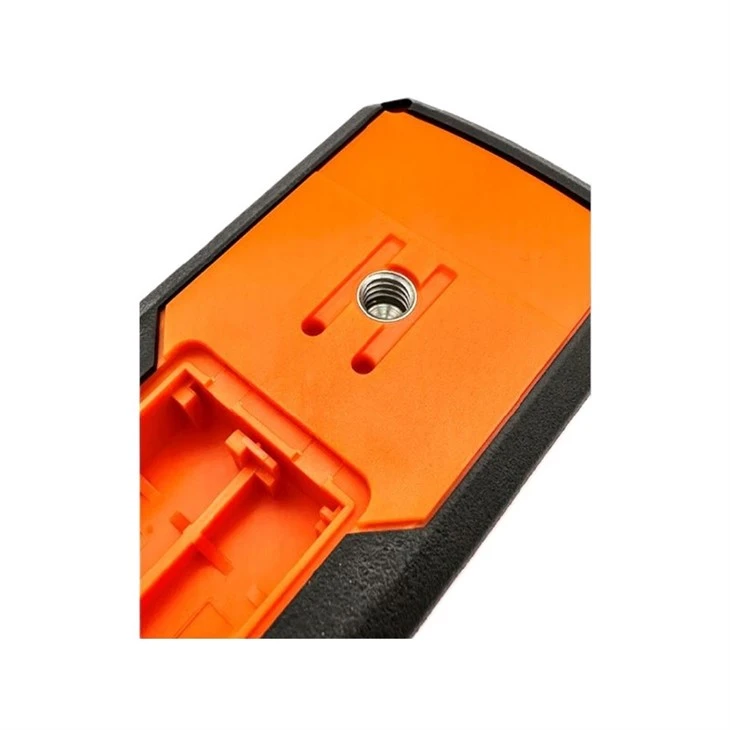
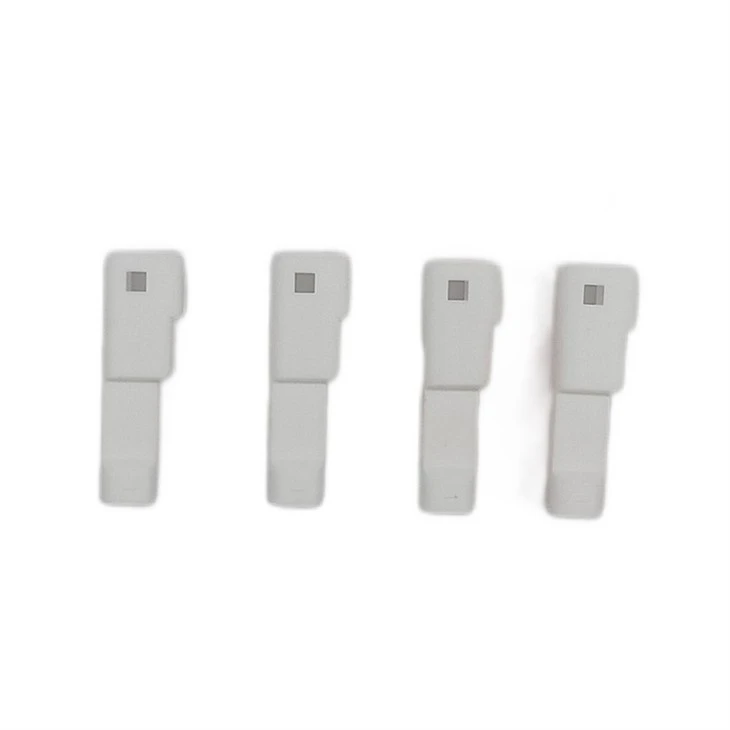
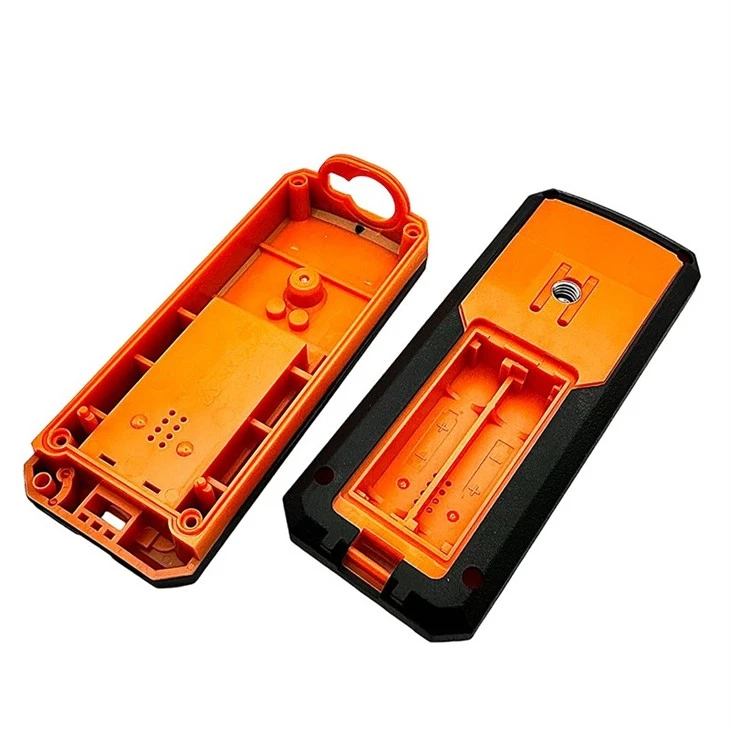
Plastic Car Trim Removal Tool
CFY specialize in plastic injection molding inserts, injection molded parts, injection mold and have successfully collaborated with companies in these field. We have over 14 years’ experience on this field which give us tremendous depth, experience & knowledge about molding.

- Product Introduction
CFY specialize in plastic injection molding inserts, injection molded parts, injection mold and have successfully collaborated with companies in these field. We have over 14 years' experience on this field which give us tremendous depth, experience & knowledge about molding. In our time helping clients with creating products and parts we've seen and done it all. Experience & expertise is important when it comes to manufacturing products.
Insert molding is the process of molding plastic around other non-plastic components or inserts to produce plastic parts. The inserted components are typically simple objects such as screws or rods, but in some cases, inserts can be complex components like batteries or motors.
Furthermore, insert molding combines various combinations of metal and plastic or materials and components into a single unit. This process utilizes engineering plastics to enhance wear resistance, tensile strength, and reduce weight, while incorporating metal materials to improve strength and conductivity.
The automotive industry is another sector widely adopting insert molding. In this industry, insert molding allows manufacturers to replace metal parts with more durable plastic components. Additionally, this substitution results in the production of lightweight automotive parts, thereby enhancing fuel efficiency. It also reduces part assembly and labor costs while improving design reliability and flexibility. For example, plastic car trim removal tools. They are designed to remove interior trim, molding, door panels, and dashboards and is made from a poly/nylon composite to prevent marring in the process.
Consumer Electronics
The consumer electronic industry uses insert molding as it boycotts the use of fasteners and solders during manufacturing, making assembly a more seamless process.
There are several uses of insert molding in the consumer electronics industry. For instance, the encapsulation of threaded inserts and wire plugs are perfect examples of the application of insert molding in this industry. Other examples include producing digital control panels, and assemblies, making knobs for appliances, making military equipment, and threaded fasteners.
Product details:


Packing Details : Carton, Wooden case, pallet, or according to the customers'
requirements.
Delivery Detail: 25-35 days by sea, 3-7 days by air

FAQ
Q: What are the advantages of insert injection molding?
Insert injection molding offers several advantages, making it a popular choice in various industries. Some of the key advantages include:
Improved Strength and Durability: By molding plastic around inserts, the resulting parts often exhibit enhanced strength and durability. The combination of materials allows for the benefits of both plastic and metal, providing better mechanical properties.
Cost Efficiency: Insert molding can lead to cost savings by eliminating the need for secondary assembly processes. Combining multiple components into a single molded part reduces the overall manufacturing and labor costs associated with assembly.
Enhanced Design Flexibility: This process allows for greater design flexibility, enabling the incorporation of complex and multifunctional parts. Designers can create intricate shapes and integrate diverse materials to meet specific performance requirements.
Weight Reduction: The ability to replace metal parts with lightweight plastics contributes to overall weight reduction in the final product. This is particularly advantageous in industries like automotive, where lightweight materials can improve fuel efficiency.
Streamlined Production: Insert molding streamlines the production process by consolidating multiple steps into one. This leads to faster production cycles and increased efficiency.
Improved Component Reliability: The combination of materials in insert molding often results in improved component reliability. For example, using plastic for its corrosion resistance and metal for its strength can create a more robust and reliable product.
Automated Manufacturing: Insert molding is well-suited for automation, contributing to consistent and high-volume production. Automated processes can lead to increased precision and repeatability in molding operations.
Reduced Material Waste: The precision of insert molding helps minimize material waste by ensuring that the right amount of material is used to form the part. This is especially important for expensive or specialized materials.
Versatility in Component Integration: Insert molding allows for the integration of a wide range of components, from simple inserts like screws to more complex items such as electronic components or sensors. This versatility makes it applicable across various industries.
Enhanced Product Aesthetics: The molding process allows for the creation of seamless and aesthetically pleasing parts. The absence of visible seams or joints can improve the overall appearance of the final product.
Q: What is the purpose of metal inserts in products?
A: Metal inserts serve various purposes when incorporated into products, and their use depends on the specific requirements of the application. Some common purposes of metal inserts include:
Enhanced Strength and Rigidity: Metal inserts are often used to reinforce plastic components, providing additional strength and rigidity to areas of a product that may be subject to high stress or load.
Improved Wear Resistance: In applications where wear resistance is crucial, metal inserts can be integrated into plastic parts to enhance their durability and longevity. This is especially beneficial in components subjected to friction or abrasive conditions.
Threaded Inserts for Fastening: Metal inserts with threaded features, such as screws or bolts, are commonly used for fastening plastic parts together. This allows for secure and reliable assembly and disassembly without relying solely on the plastic material for threading.
Heat Dissipation: In electronic or high-temperature applications, metal inserts can be used to facilitate heat dissipation. Metals are generally more effective at conducting heat than plastics, helping to prevent overheating in certain components.
Electrical Conductivity: Metal inserts are employed in products that require electrical conductivity. This is particularly relevant in electronic devices where metal inserts can serve as connection points, grounding elements, or pathways for electrical signals.
Machined Features: Metal inserts can be machined with precision to include features such as grooves, channels, or intricate shapes. This is beneficial for applications where the metal insert must perform specific functions or interact with other components in a precise manner.
Corrosion Resistance: Metals, such as stainless steel or aluminum, offer superior corrosion resistance compared to many plastics. In environments where exposure to moisture, chemicals, or other corrosive elements is a concern, metal inserts can enhance the overall durability of the product.
Weight Distribution: Metal inserts can be strategically placed to help distribute weight in a product. This is particularly relevant in applications where balance and weight distribution are critical for proper functionality and user experience.
Thermal Stability: Metals often have higher thermal stability than certain plastics. By incorporating metal inserts, products can better withstand temperature extremes without compromising structural integrity.
Complex Structural Components: Metal inserts are used to create complex structural components within plastic parts. This allows for the integration of diverse materials to achieve optimal performance in terms of both strength and functionality.

Hot Tags: plastic car trim removal tool, plastic car trim removal tool manufacturers, suppliers, factory, Injection Mold, medical micro injection molding, micro plastic injection molding, metal pressing, Stamping 304 Stainless Steel, CNC Stamping


