What is Pp Plastic Injection Molding?
PP injection molding is a thermoplastic addition polymer manufactured by combining several propylene monomers. It features an extensive range of applications such as containers of consumer products and molded plastic products for automotive industries who need auto molds. Since its surface is slippery, it can replace plastics like polyacetal (POM) in some low-friction applications.
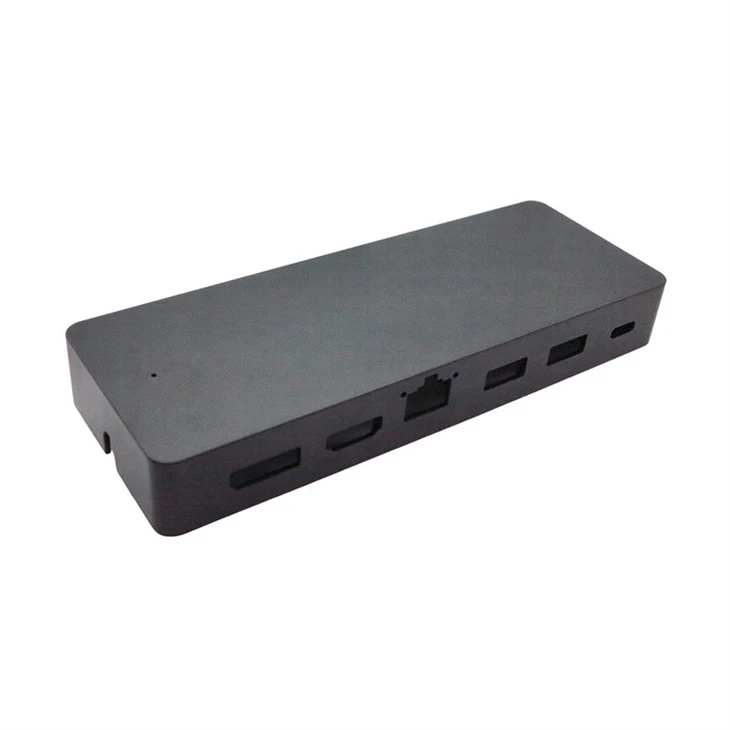
Properties of Pp Plastic Injection Molding
Chemical Resistance
As diluted bases and acids don’t react readily with polypropylene, it is the first choice of the manufacturers in making liquid containers. The material can manufacture the packaging containers of first-aid products, cleaning agents, warehouse plastic box mould, etc.
Fatigue Resistance
Polypropylene can retain its shape even after a lot of torsions, bending, and flexing. It makes for an ideal choice in making living hinges. It is not prone to stress cracking and can adjust by adding mineral fillers, glass fibers, or thermoplastic rubbers. Moreover, its flow rate ranges between 1-40 which offers better resistance to impact but lower tensile strength.
Insulation
Since polypropylene has high resistance to electricity, it is useful in electrical appliances like automotive plastic components. Because of its ordered molecular structure, PP is semi-crystalline. It results in PP’s stiffer and higher melting temperature compared to PE.
Transmissivity
Polypropylene can be produced in both transparent as well as opaque forms. It is useful in applications where the transfer of light is vital or where it contributes to aesthetic value. If high transmissivity is required, plastics such as acrylic and polycarbonate are preferred.
Elasticity & Toughness
Polypropylene is known for its sturdy yet elastic consistency. It acts with elasticity over a range of deflection but also experiences deformation early in the process. This property makes it a durable material which implies that it can deform without breaking.
Here are some important conditions to keep in mind when processing PP injection molding:
|
DRY |
Unnecessary when properly stored. |
|
MELTING POINT |
220-280 degrees Celsius or 428-536 degrees Fahrenheit. |
|
MOLD TEMPERATURE |
20-80 degrees Celsius or 68-176 degrees Fahrenheit. |
|
HEAT DEFLECTION TEMPERATURE (HDT) |
100 degrees Celsius (212 Fahrenheit) at 0.46 MPa (66PSI) |
|
INJECTION MOLD TEMPERATURE |
32-66 degrees Celsius or 90-150 degrees Fahrenheit |
|
TENSILE STRENGTH |
32 MPa (4700 PSI) |
|
FLEXURAL STRENGTH |
41 MPa (6000 PSI) |
|
SPECIFIC GRAVITY |
0.91 |
|
PLASTIC INJECTION MOLDING PRESSURE |
As high as 180 MPa |
|
SHRINK RATE |
1.5-2.0% (.015-.02 in/in) |
Acrylic (PMMA): Also known as Plexiglas, acrylic is a hard transparent plastic material often used in electronics and automotive parts. Other forms of acrylic are also used in everyday products due to its natural transparency and coloring properties, everything from eyewear lenses, acrylic paint, and even acrylic nails. Acrylic can also be colorized to be either translucent or opaque.
Acrylonitrile Butadiene Styrene (ABS): ABS plastic is one of the most commonly used plastics in injection molding due to its wide temperature range, good stability, and insulating properties. ABS is commonly found in plastic toys such as Lego bricks, but it’s also often used in many types of electronics, tools, and home repair equipment.
High-Density Polyethylene (HDPE): When in need of rigid, heat-resistant plastic, HDPE is the best material to use. Since polyethylene is a food-grade plastic – meaning it is safe to use around food – this material is commonly manufactured in storage containers, kitchenware, and refrigerator shelving. HDPE is also a good plastic for holding chemical-based products such as cleaning agents, laundry detergent, bleach, and shampoo.
Nylon (PA): Nylon is one of the most versatile materials used in plastic injection molding. It’s commonly combined with a range of other materials to enhance its characteristics. Thanks to its high melting temperature and low friction properties, it’s useful for a wide range of products such as nylon rope, reinforced automotive parts, and even clothing.
Polycarbonate (PC): Polycarbonate is a useful plastic material for applications needing transparency or high impact resistance. For this reason, polycarbonate is most commonly used in eyewear applications, but it’s also used in pipes for LED lights, clear windows, and sporting equipment.
Polyetherimide (PEI): Polyetherimide, also known as Ultem, is an amorphous material with extremely high heat resistance compared to other plastics. Due to its rigidity and high heat performance, polyetherimide is most commonly used in medical devices, electronics, and industrial plastic parts.
Polyoxymethylene (POM): Also known as Acetal, polyoxymethylene is a semi-crystalline polymer which is very rigid and has a naturally glossy surface, making it a useful material for a wide range of industries. Acetal is most commonly found in automotive applications, household appliances, and electronics.
Polypropylene (PP): Much like Acetal, polypropylene is a plastic with a naturally glossy surface when properly manufactured. Its chemical resistance and elastic properties make it useful for a wide variety of food-related applications, including plastic kitchenware, dishwasher-safe plates, and storage containers. Polypropylene is also commonly used to make toys, hard luggage containers, and even external car parts.
Polypropylene is featured in an array of injection molding applications, including the packaging of consumer products as well as being regularly used in plastic components in the automotive industry. Because of its relatively low density and weight, polypropylene can also be used in a variety of molded PP products such as:
Children's toys
Sporting goods
Caps
Closures
Automotive applications
Food trays
Cups and to-go containers
Household goods and appliances like dishwashers
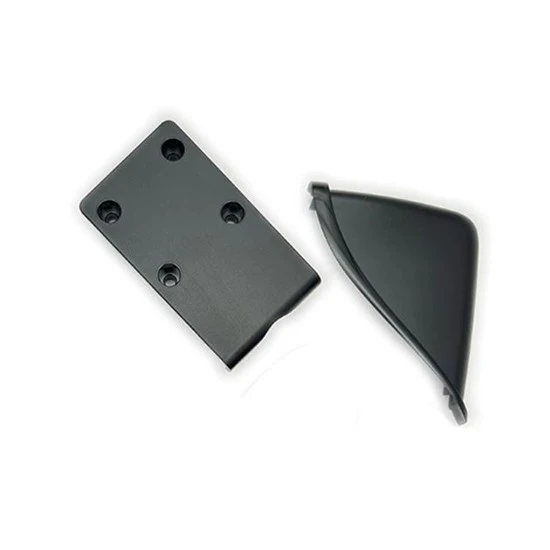
Polypropylene thermoforming is a lower-cost, efficient way to manufacture large plastic goods and components. We heat the polypropylene until it is malleable, then fit it around a custom tool and finish the product using one of three methods
Vacuum Forming
Vacuum forming is the simplest method of polypropylene thermoforming. Once the plastic is heated and fitted around the custom tool, a high-powered vacuum removes air and draws the plastic more tightly against the tool. This method is best for plastic components that don’t require sharp edges, defined corners, or intricate details, such as car dashboards and shipping trays.
Pressure Forming
Often used as a less expensive alternative to polypropylene injection molding, pressure forming plastics allows us to achieve higher levels of detail and sharp edges than with vacuum forming. Once the polypropylene is fitted around the tool, the plastic is blasted at high pressure with air, pushing it against the tool and creating the sought after design and detail. Because it’s low electrical conductivity, polypropylene pressure forming is used for manufacturing scientific instruments and medical equipment.
Twin-Sheet Forming
Twin sheet forming is a complex method of polypropylene plastic manufacturing, requiring high levels of precision and care. It involves heating two plastic sheets at the same time, then fitting them together and fusing them. Because the plastic must be matched with pressed points where the fusion occurs, there’s no room for error or the integrity of the product is weakened. Twin sheet forming is ideal for manufacturing double-walled and hollow products, like air ducts, chutes used in material handling, and bed liners.
What Is Tpu Injection
TPU injection molding is used to produce parts made from thermoplastic urethane (TPU), a type of thermoplastic elastomer (TPE). There are six major types of TPEs, a group of materials that combine the properties of plastic and rubber. TPUs can be based on either polyester or polyether urethane. They’re recyclable and provide excellent tear strength, abrasion resistance, and flex fatigue resistance.
Elasticity: TPUs are highly elastic, so like rubber, they can be stretched and will return to their original shape.
Toughness: TPUs are tough and durable, so they resist wear and tear, even under harsh conditions.
Chemical resistance: TPUs resist a wide range of chemicals and can be used in harsh environments.
Weather resistance: TPUs resist the effects of UV light (sunlight), ozone, and water. This makes them a good choice for outdoor environments.
Low-temperature flexibility: TPUs can maintain their flexibility at low temperatures and withstand cold environments.
Abrasion resistance: TPUs have a high degree of abrasion resistance. They’re great when there’s friction.
Hydrophobic: TPUs are hydrophobic, which means that they resist the absorption of water. This makes them suitable for use in moist or wet environments.
Good electrical insulation: TPUs are electrically insulating. Therefore, they’re often used in electrical and electronic applications.
Biocompatibility: Some grades of TPU are biocompatible, meaning that they’re suitable for use in medical and dental applications.
Versatility: TPUs can be used in a wide range of applications, from automotive and medical products to sporting goods and consumer electronics.
Wall thickness: TPUs have a high degree of elasticity, which means they can fill thinner walls more easily than other thermoplastics. Evaluate wall thickness carefully and minimize it where possible to reduce weight and improve part strength.
Draft angle: TPUs tend to stick to the mold surface, so you’ll need to apply a sufficient draft angle to ensure easy part ejection.
Mold temperature: Because they are sensitive to temperature in general, TPUs can be sensitive to the temperature of the mold. To ensure consistent part quality, it’s important to carefully regulate mold temperature.
Venting: TPUs are sensitive to pressure buildup during injection molding. Therefore, it’s important to provide sufficient venting to ensure proper flow and filling of the part.
Gate location: For best results, place gates to minimize pressure buildup and reduce the risk of defects.
Shrinkage: TPUs have a high degree of shrinkage, so it’s critical to identify your material’s shrinkage rate and account for it in your tool design.
TPU processing for injection molding involves several steps and requires specialized knowledge and equipment.
Material preparation
TPUs are usually supplied in pellet form and must be dried prior to processing to remove any moisture — otherwise material properties and processing characteristics will be affected. The drying temperature and time depends upon the specific TPU grade and should be specified by the material supplier.
Material feeding
TPU pellets are fed into the hopper of the injection molding machine and transported to the feeder barrel where they are melted and mixed. The injection molding machine should be equipped with a temperature control system to regulate barrel temperature and ensure consistent material melting and mixing.
Injection
The melted and mixed TPU is injected into the mold under high pressure to fill the mold cavity and form the part. The injection pressure and mold temperature should be regulated to ensure proper filling and flow of the TPU and to minimize the risk of defects.
Cooling
After injection, the mold is cooled to allow the TPU to solidify and take the shape of the mold cavity. The cooling time and temperature depends upon the specific TPU grade and the size and complexity of the part.
Ejection
After cooling, the mold is opened and the part is ejected from the mold. The part is inspected for any defects and trimmed, if necessary, to remove the gate and any flash.
Post-processing
TPU parts may require post-processing, such as painting, printing, or assembly, to meet specific application requirements.
What Is Precision Plastic Injection
Precision Injection Molding is a kind of plastic injection molding method which requires precision mold and requires precision machines. The content of this blog include concept, characteristic, influential factors, selection of plastic material, precision molds, selection and characteristic of precision plastic injection machines.
High-Quality Parts
Precision molding produces parts with superior surface finishes, dimensional accuracy, and mechanical properties.
Efficiency and Scalability
Once the initial setup is complete, the process allows for the rapid production of large quantities of parts, making it both time and cost-efficient at scale.
Versatility
It can accommodate a wide range of materials and complex part designs, making it suitable for various applications across industries.
Reduced Waste
Precision molding is designed to use materials efficiently, resulting in minimal waste and a more sustainable manufacturing process.
The applications for precision injection molding are vast and varied, including but not limited to;
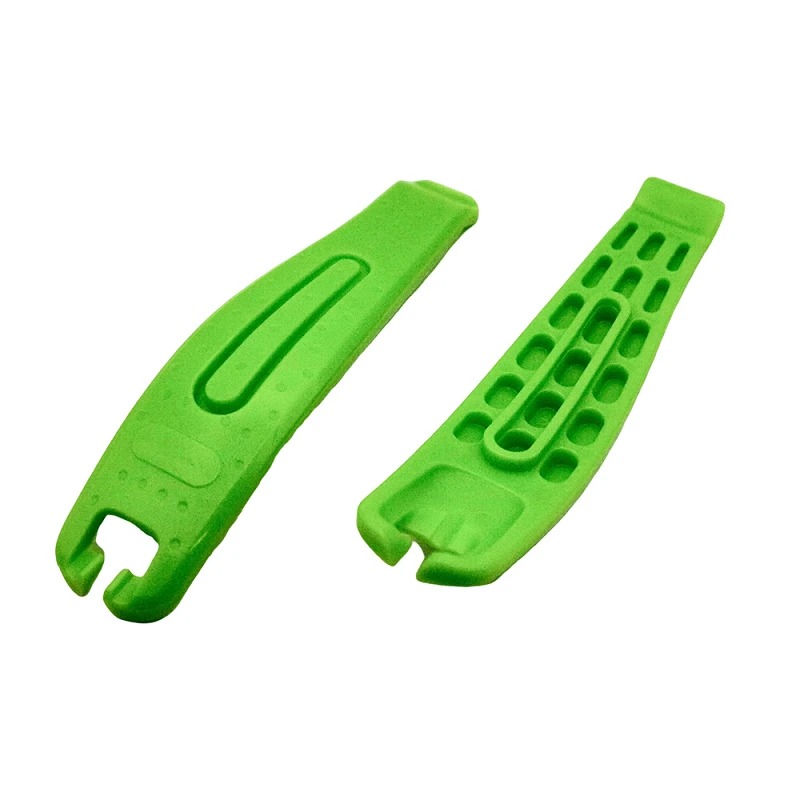
Medical Devices
Components for surgical instruments, diagnostic equipment, and other medical devices where precision is critical for performance and safety.
Automotive Parts
Precision parts such as connectors, sensors, and other critical components that must meet strict industry standards.
Consumer Electronics
Enclosures, buttons, and other components of consumer electronics that require high aesthetic quality and functional precision.
Crafting plastic components demanding meticulous dimensional tolerances.
Shaping complex geometries and intricate details that would elude conventional methods.
Yielding plastic components with optical-grade surface finishes.
Facilitating the assembly of high-precision structures comprising interconnected plastic elements.
Swiftly producing intricately detailed precision plastic parts.
Substituting machined metal components with molded plastic, thus bridging the gap between design and production.
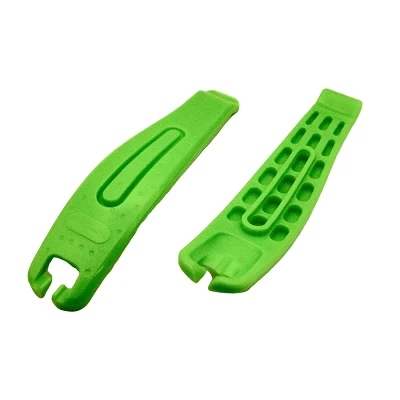
Meticulous Mold Design
The mold’s construction involves CNC machining to establish tolerances of 5 microns or less. Every aspect, including surface finish, cooling mechanisms, ejectors, and more, is optimized.
Advanced Injection Molding Machinery
Sophisticated control systems meticulously regulate critical parameters such as temperature, plasticization, injection speed/pressure, and clamping force, assuring reproducibility.
Specialized Plastic Materials
Specific resins boasting highly consistent melt properties, minimal shrinkage, and negligible warpage are harnessed to achieve exacting tolerances.
The Molding Process Itself
With the precision mold securely clamped, plastic is injected under ideal conditions of temperature, speed, and pressure to entirely fill the cavity.
Effortless Demolding
Once sufficiently cooled, the solidified plastic component is meticulously extracted from the mold. These parts exhibit micro-smooth finishes and incredibly tight tolerances.
Secondary Operations (as Necessary)
To yield the final component, supplementary processes such as bonding, coating, or assembly may be employed.
Factors To Consider In Precision Molding
There are several variables that must be considered in precision molding in order to ensure success:
Quality Of Molds: Precision injection molds require accurate design and testing, and there are plenty of things to consider during the manufacturing process. This includes the mold cavity size, choice of materials, dimensional tolerance, and many others. Other than these, consistent control of the temperature of the mold is also crucial.
Plastic Material: Depending on the kind of plastic, physico-chemical characteristics will vary.
Molding Machine: To achieve good results, the accuracy of the precision molding machine is important.
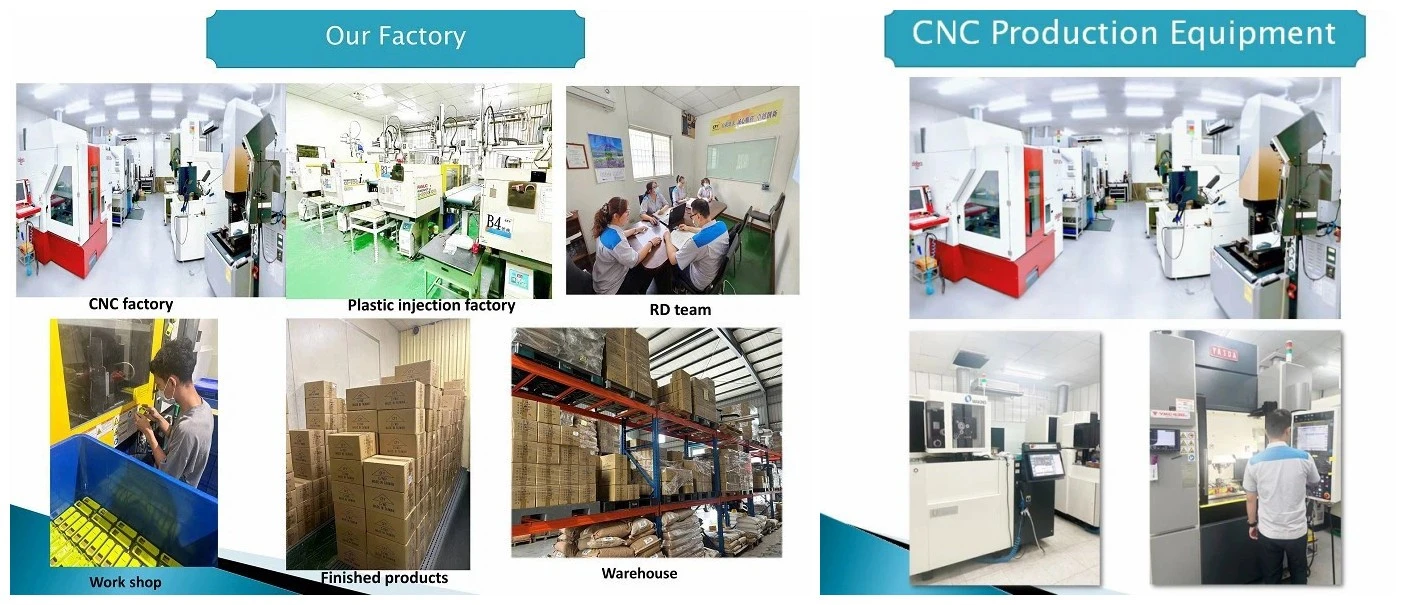
CFY specialize in plastic injection, CNC turning, CNC milling, CNC grinding and have successfully collaborated with companies in these field. We have over 14 years' experience on this field. We specialize in producing various types of components, which are widely applicable to aviation, hand tools, electronics, electrical appliances, automotive, machinery, construction materials, optics, electronic gadgets, cosmetics, and household items.
Q: What plastics are commonly used in injection molding?
Q: Can all plastics be injection molded?
Q: Is injection moulding suitable for all polymers?
Q: What plastic is easiest for injection molding?
Q: What is the difference between injection molding and casting plastic?
Q: Process heat molding
Q: What are the benefits of TPU?
Q: What grade is TPU injection molding?
Q: Can TPU be injection molded?
Q: What is the difference between TPE and TPU injection molding?
Q: What is the process of TPU injection?
Q: How do I choose material for injection moulding?
Q: How many types of injection molding are there?
Q: What are the different types of plastic injection molding?
Q: These stages are the clamping, injection, cooling and ejection stages.
Q: How quick is injection moulding?
Q: What humidity should injection molding be?
Q: What is injection molding best used for?
Q: What is the strongest material for injection molding?
As one of the leading plastic injection molding services manufacturers and suppliers, we warmly welcome you to buy discount plastic injection molding services for sale here from our factory. All customized products are with high quality and competitive price. For pricelist and free sample, contact us now.
Metal Stamping, cnc machining plastic, Injection Mold(0/10)