Metal stamping is a process which includes the stamping or pressing of sheet metal into different forms. Some of the different types of metal stamping include punching, deep drawing, pressing, embossing, bending, flanging, and coining to name a few. The most common medium for metal stamping is sheet metal but it can be performed on other types of materials such as polystyrene. The process of stamping can produce an specified object repeatedly normally within a few steps which makes stamping economically favorable.

Remarkable accuracy
Probably the greatest advantage of metal stamping is the level of precision, which reaches a micron level. The sophistication and detailed nature of this process enables manufacturers to shape metal in the most complex forms with the help of innovative technology. The possibility for error is virtually minimal because of the use of sensors and camera systems, which inspect the dimension in the course of the process.
Cost efficiency
Another benefit of metal stamping for companies is the cost efficiency of this method. It allows a substantial reduction of processing time while increasing the speed of production. By speeding up the production process, companies reduce the use of machines, the number of workers, as well as labor time. As a result, it’s normal for production costs to be significantly reduced.
Incredible versatility
Flexibility is unquestionably what makes metal stamping highly popular in numerous industries. It allows for metal, which is light but durable, to be shaped in tiny sizes and complex forms. During the process, however, specifications can be adhered to without any trouble. When looking for a metal fabrication shop, make sure it provides design, engineering, packaging, and assembly services. The world of design opportunities is limitless for a great number of industries.
High quality
Metal stamping is a method known for the manufacturing of high-quality components. Stamped parts have proven to be so reliable that they have been used in complex operations such as laparoscopic surgery. Additionally, an increasing number of device enclosures have been made by using this method.
In addition, the largest part of device enclosures is made of titanium, famous for its resistance to corrosion and bacterial growth. The development of stamping technology has made it possible for titanium to be as easily stamped as steel.
Progressive die stamping
A progressive die is a single die that captures one or more fabrication steps for the workpiece. The workpiece is carried through a series of stations until the final part is cut from the raw material at the final step.
01
Deep drawn metal stamping
Deep drawing is a technique used on a variety of metals, including brass, copper, nickel, and stainless steel. This stamping process uses the same technique—typically a drawing action—repeatedly on the same workpiece to transform a flat strip of metal into a part with a deep recession, such as a hollow cylinder. In some cases, each action further recesses the part until it reaches its specified depth.
02
ransfer die stamping
Unlike progressive die stamping, which relies on a metal strip to pull the part through various stamping stages until it is cut free on the final step, transfer die stamping removes the in-progress part from the strip and moves it between stamping stations using a mechanical transport system. This process is useful for designs where the metal strip may interfere with complex design features such as pierced holes, cut-outs, threading, ribs, or knurls. It may also be used for parts that are too large for progressive die stamping.
03
Multi-slide metal stamping
Multi-slide metal stamping is reserved for parts with several bends or complex portions. Four-slide or multi-slide stamping shapes several areas of the workpiece simultaneously. This process is often used to create parts with a continuous bend, such as coils.
04
Application of Metal Stamping
Automotive: The automotive sector heavily relies on metal stamping for the production of components such as body panels, brackets, chassis parts, engine parts, and structural reinforcements. Metal stamping ensures precision, consistency, and cost-effective manufacturing of these vital automotive components.
Rail: Metal stamping plays a pivotal role in the rail sector, where safety, durability, and precision are of utmost importance. It is employed in manufacturing railway components like brackets, connectors, fasteners, and electrical contacts. Metal stamped parts ensure the integrity of rail systems by providing reliable and long-lasting solutions.
Solar & wind: The renewable energy sector heavily relies on metal stamping for producing key components in solar and wind energy systems. Metal stamped parts are used in the fabrication of solar panel frames, mounting brackets, turbine components, and electrical connectors. This manufacturing technique ensures precise dimensions, structural integrity, and resistance to environmental factors, contributing to efficient and reliable renewable energy generation.
Electrical product: Metal stamping plays a crucial role in the production of electronic devices and appliances. It is used to manufacture components such as connectors, terminals, heat sinks, brackets, and shielding for electronic circuits. The precision and scalability of metal stamping make it ideal for meeting the high-volume demands of the electronics industry.
Thermal: Metal stamping finds application in the thermal industry for the production of heat exchanger components, radiator fins, and HVAC system parts. These parts require excellent heat dissipation, corrosion resistance, and tight tolerances. Metal stamping allows for the creation of intricate designs, enabling efficient thermal management and optimal performance in various heating and cooling applications.
Mining: In the demanding and rugged mining industry, metal stamping delivers durable and reliable components. From conveyor system parts to safety equipment, metal stamped components are vital for enhancing efficiency and safety in mining operations. These components include mining equipment fittings, brackets, electrical contacts, and wear-resistant parts, ensuring reliable performance even in harsh environments.
Construction: Metal stamping is widely utilised in the construction industry to fabricate structural components, fasteners, brackets, and connectors. These components offer strength, durability, and dimensional precision, enabling the construction of robust and reliable structures. Metal stamped parts contribute to the stability, safety, and longevity of buildings, bridges, and infrastructure projects.
Punching
Punching creates holes in workpieces using a punch press to force the punch tool through the sheet metal. This process creates holes in the metal sheet and deposits the scrap slug into the die below the sheet metal.
Punching is typically a cold-forming process, but it can be used in some hot applications. This is one of the most cost-effective metal stamping techniques available. The process itself is inexpensive and fast enough to create savings for most manufacturing projects.
Blanking
Blanking is an intermediary step to improve the efficiency of other stamping and finishing operations. During the blanking process, a metal form (or blank) is cut from a sheet with a rough outline that aligns with the end design. By taking this intermediary step, manufacturers minimize the risk of burrs developing in later stages.
Embossing
Embossing is a cold-forming process used for creating specific formations or designs on metal pieces. Male and female embossing dies press a workpiece between them with sufficient force to impart three-dimensional designs onto the surface.
Coining
Coining is a forming process that uses an extreme amount of pressure to push the workpiece into a die. The die then forms the metal into a precise shape and creates permanent forms in the workpiece. Coining also smooths the edges of metal parts by striking them with a high degree of force. This removes existing burrs and hardens the metal. Coining may reduce the need for deburring, grinding, and other secondary processes at the end of the project, which saves both time and money.
Bending
Bending processes transform metal sheets and two-dimensional workpieces into three-dimensional pieces. Bending occurs through multiple mechanisms. In some processes, one edge of the workpiece is clamped in a stationary position while the other edge is clamped by a metal tool and bent over a die to create a precise bend or shape. Alternatively, the metal piece may be pushed into or against a die.
When bending, it’s important to consider the plasticity of the metal, as each metal stamping material type can only handle a certain amount of bending before cracking or weakening. Many metals also harden under stress and can react poorly to too much bending. Metal pieces also typically need to be bent along the direction of their grain lines. This allows the metal to stretch and accommodate the bend instead of splitting and cracking between grain lines.
Flanging
Flanging processes bend metal tabs and parts on workpieces at a 90-degree angle. Unlike general bending processes, flanging applies only to small tabs and portions of an overall workpiece. Flanging may sometimes be incorporated into custom dies used in other stamping processes to save time and expense.
The Materials Commonly Used for Metal Stamping
01.Aluminum
02.Beryllium copper
03.Brass
04.Carbon steel
05.Copper
06.Additional alloys and superalloys
07.Stainless steel
Capabilities
Your metal stamping partner should be able to provide design recommendations that will help avoid defects and future expenses.When you know exactly how each step affects the workpiece, you can reduce or eliminate some of the costs of design.
Production capacity
Both the type of equipment employed and the lead time for raw material orders are estimated to affect a company’s production capacity. A metal stamping partner should utilise metalworking equipment that allows them to complete projects efficiently without sacrificing precision or accuracy.
Quality management
The blank is a flat piece of metal that's fed into the stamp press. The blank is typically cut to size using a blanking die before being fed into the press.
Feed system
Quality is paramount in metal stamping. Your partner should implement rigorous quality control measures to ensure consistency and reliability. Therefore, you should always check out their quality assurance procedures, certifications, and standards.
Lead times
Efficiency is crucial in your business, where time holds immense value. From the very first consultation to the final delivery, prompt response times guarantee the timely completion of your projects. It is paramount that your metal stamping supplier maintains frequent and effective communication with you, ensuring seamless coordination and meeting production deadlines flawlessly.
Experience
One of the first factors to consider is the supplier's experience and expertise in metal stamping. Look for a company that has a proven track record of delivering high-quality stamped metal components.
Consider their years of operation, the industries they have served, and the complexity of projects they have handled. An experienced manufacturer is more likely to have refined their manufacturing processes, possess extensive knowledge of materials and techniques, and have a better understanding of industry standards and regulations.
Tooling design
Integrating in-house tooling design and development services within metal stamping companies grants them enhanced authority over part and process quality. By possessing the capability to craft personalised tooling for each project, these companies can effectively safeguard the smooth progression of production, ensuring it aligns precisely with the intended objectives.
Secondary services
As mentioned earlier, an ideal metal stamping partner should go beyond merely providing metal stamping capabilities. They should offer a comprehensive range of secondary operations, either through their in-house facilities. This full-service stamping solution enables clients to access a wide array of additional finishing processes. Some examples of these supplementary services that a partner may provide include forming and welding and sub-assemblies.
CFY specialize in plastic injection, CNC turning, CNC milling, CNC grinding and have successfully collaborated with companies in these field. We have over 14 years' experience on this field. We specialize in producing various types of components, which are widely applicable to aviation, hand tools, electronics, electrical appliances, automotive, machinery, construction materials, optics, electronic gadgets, cosmetics, and household items.
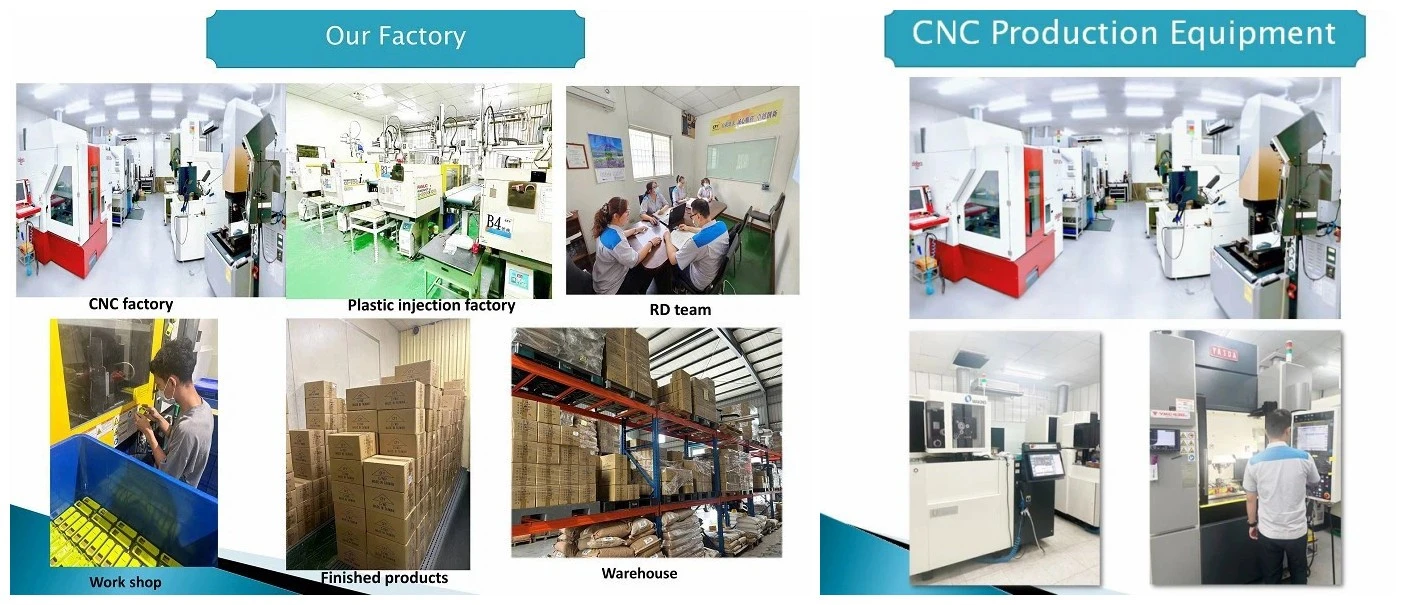
As one of the leading metal stamping manufacturers and suppliers, we warmly welcome you to buy discount metal stamping for sale here from our factory. All customized products are with high quality and competitive price. For pricelist and free sample, contact us now.
Aluminum Machining Service, CNC Horizontal Machining Center, Metal Stamping Small Parts(0/10)