What is EDM Cutting
Electrical discharge machining (EDM) is a non-traditional form of precision machining that uses thermal energy instead of mechanical force to remove material from a workpiece. It is sometimes referred to as Spark Machining since it utilises electrical sparks that are near 8000º C to 12000º C.
Improve production efficiency: Wire EDM electrodes use 0.03-0.35mm metal wires. With the help of experienced and efficient processing engineers, Wire EDM projects can be set up and completed in a shorter delivery time, so that you can get them faster Key parts. Wire EDM can produce high tolerance parts without burrs or deformation; wire EDM can process production parts in one step, saving you valuable time and money, and greatly improving production efficiency.
No impact cutting: The processing of hard materials usually requires intensive processing, which requires a lot of force and impact to form the desired shape during processing. This has some disadvantages, because impacts can create stresses that deform the material during cutting and rapid wear of the tool. This makes traditional machining on precision parts challenging. Wire EDM can process hard and fragile materials, as long as they are conductive, they will not produce impact and stress. Even cutting extremely thin materials will not bend or warp.
Wide processing range: Wire-cut EDM can also cut the hardness of conductive metals relatively easily, from copper to the hardest materials, including molybdenum and tungsten. Wire EDM products are not affected by the hardness of the material, and can process conductive materials that cannot be processed by other processes, and the material can be heat-treated and then processed, avoiding the deformation problems caused by the post-heat treatment of the product.
Low requirements on product shape: In addition to the influence of metal wires and gaps at the inner corners of the product, wire EDM can easily cut precise and complex shapes even in the hardest or most fragile materials, while maintaining a low Ra Surface roughness.
Obtain high tolerances: Wire cutting processing is more precise than laser, flame cutting or plasma processing. It does not exert any force on the parts, so that wire EDM can achieve very high tolerances to achieve precise dimensions and precise fit. This eliminates the need for additional machining and finishing of parts after machining.
Save cost: Since wire-cut electrical discharge machining can be used to efficiently process any conductive material, the processing will take less time. In addition, wire EDM can also reduce waste. Since the metal wire is only about 0.3mm, the knife edge of the product after processing is very small, which greatly improves the material utilization rate and reduces the material cost. In addition, less waste is generated and no heat treatment is required, so cleanup can be minimized.
High security: The working fluid of wire cutting is non-flammable liquid, which can realize unmanned operation. Built-in induction and intelligent automatic control enhance the ease of use.
Application of EDM Cutting
Automotive industry
The parts in the automotive industry come in complex shapes and sizes and are mostly hard. As a result, the industry favors using wire EDM machines because the process does not rely on mechanical forces, and the wire electrode does not need to be stronger than the workpiece. The process applies to making holes and cavities to customize automotive car parts like bumpers, dashboards, car doors, and many more.
Medical industry
Wire EDM machines produce complex parts with a high level of accuracy for use in all medical fields, including optometry and dentistry. Also, metals that work well with wire EDM services are frequently used to manufacture medical equipment.
Since the wire’s diameter determines the cut’s size, the wire EDM machine adds tiny features to parts like dental implants and syringe components without endangering their structural integrity.
Aerospace industry
Wire EDM cutting produces parts with tight tolerances and is the go-to machining process for aerospace part manufacturers. This process, alongside the waterjet cutting process, is especially used for parts that cannot withstand the high temperature and stress associated with traditional cutting tools.
Parts in the aerospace industry need to have an excellent surface finish and be precise and accurate. Manufacturers use the wire EDM process for years to make engines, turbine blades, landing gear parts, and many more.
Machining a part using the process involves submerging the workpiece into a dielectric fluid, securing it with a machinist vise, and running the wire through it to produce sparks as it passes an electric current.
In other words, the wire carries one side of the charge, and the workpiece, which must be a conductive material, carries the other side of the charge. When the two get close, a hot electric charge jumps the gap and melts tiny pieces of the metal away.
The electric spark is the cutting tool to cut the material in the desired shape. Additionally, the wire EDM process involves deionized water to control the process and flush away tiny particles removed.
Components of EDM Cutting
CNC tools
The CNC tools control the entire operation of the Wire EDM machining process. Controlling the entire operations include being in control of the sequencing of the wire path and being able to manage the cutting process automatically.
Power supply
The power supply unit is the component that delivers pulses (from 100V to 300V) to the wire electrode and the workpiece. Furthermore, it controls the frequency and strength of the electrical charges that pass through the wire electrode to interact with the workpiece.
Wire
The wire serves as the electrode to create the electrical discharge. The shape and thickness of the workpiece directly influence the wire’s diameter. Typically, one can use wires with diameters ranging from 0.05 to 0.25mm.
Dielectric medium
The wire-cut EDM process must be carried out in a tank filled with dielectric fluid. This liquid prevents the tiny particles from the workpiece from getting attached to the wire electrode. The most common medium is deionized water which cools the process and gives the workpiece a good surface finish.
Electrodes
The electrodes in the machine are the wire (cathode) and the workpiece (anode). The servo motor controls the wire electrode, ensuring it does not come in contact with the workpiece at any point during the wire EDM cutting process.
The wire-cut EDM process is an improvement on conventional EDM. Their mode of operation is similar. However, they have significant differences. Below is a few difference between both machining process.
01
Electrode
In contrast, conventional EDM uses highly conductive metals like graphite or copper electrodes to produce electrical charges. The electrodes are in different shapes and sizes, which affects their smoothness. Then a square, triangle, and diamond. When the electrode is inserted into the workpiece, it forms a mold leaving a ‘negative’ impression of its shape.
02
Speed of machining
The electrodes of conventional EDM must come in different shapes. As a result, manufacturers must create and shape them before the machining process, and this takes time. In contrast, the wire EDM machine is ready to use as soon as the wire is in position. This makes it appropriate for applications that must need to be completed quickly.
03
Accuracy
Wire EDM machining makes use of wire as the electrode. As a result, they have better accuracy than conventional EDM. For example, the wire electrode allows them to cut at a thickness of about 0.004inches. Due to their accuracy, they become better suited for machining parts with complex shapes and designs, unlike the conventional EDM, which is more suitable for more rigid cuts.
04
Applications
Wire EDM machining is versatile and can cut ferrous and non-ferrous metals, so many industries use it. Also, size and shape do not limit its use because it can machine both long parts and extremely small ones. However, conventional EDM can handle harder and thicker materials because the thickness of the wire electrode in a wire EDM machine affects its use.
Aluminum
Aluminum has excellent thermal and electrical conductivity properties. However, aluminum is naturally soft and can be challenging to cut with the process as it may result in a gummy build-up after machining.
Titanium
Wire EDM cutting is perfect for titanium because the process can withstand the stickiness of this alloy and break up lengthy chips. However, you need deionized water as the dielectric medium to help control heat generation during machining.
Steel
Steel is a very strong metal. As a result, many manufacturers favor using a wire EDM machine over a CNC machine. However, the material generates a lot of heat, so one needs to take the necessary precautions.
Brass
Brass is easy to cut using the machine because it has high tensile strength. However, the cutting speed should be slow because it is a soft metal.
Wire EDM Machine Cutting can create complicated shapes and patterns on a workpiece. Additionally, they can machine most materials that can conduct electricity, even the tough and delicate. Common shapes and materials you can cut with the machine include:
Reasonable selection of workpiece materials
Reasonable selection of workpiece materials
In order to reduce the deformation of the workpiece caused by wire EDM, materials with good forging performance, good permeability and small heat treatment deformation should be selected. The material of the work piece should be heat treated according to the technical requirements.
Processing threaded holes
For the processing of closed holes and some punches, wire holes need to be processed before online cutting. The position of the threaded hole should be consistent with the machining starting point specified during programming.
Choose the type of electrode wire
Medium speed wire EDM generally uses molybdenum wire with a diameter of 0.18 mm as the electrode wire, low speed wire EDM generally uses brass wire or galvanized wire, etc. The diameter of the electrode wire can be based on the machining accuracy requirements. Try to choose electrode wire with a diameter not less than 0.2mm to obtain a higher cutting speed and reduce the risk of wire interruption during processing.
Clamping and correction of workpiece
According to the processing shape and size of the workpiece, select the appropriate clamping method to determine the position of the workpiece. If the clamping methods of plate parts, rotating parts, and block parts are different, you can choose special fixtures or self-designed fixtures to clamp the workpiece. After the workpiece is clamped, it must be corrected. Generally, it is to check the perpendicularity and flatness of the workpiece clamping, and correct the axial parallelism of the workpiece reference plane and the machine tool.
Threading and schooling
Wrap the wire electrode correctly on each part of the wire running mechanism to keep the wire electrode with a certain tension. Use appropriate methods to correct the verticality of the electrode wire, such as wire alignment with a aligner, wire alignment with sparks, etc.
Positioning of the electrode wire
Before wire EDM processing, the wire electrode should be accurately positioned to the starting coordinate position of the cutting. The adjustment methods include visual inspection, spark method, and automatic alignment. The current CNC wire-cutting machine tools all have the function of contact sensing, and they all have the functions of automatic edge finding and automatic center finding. They have high alignment accuracy and are very convenient for electrode wire positioning. The operation method varies from machine to machine.
The cleaning and lubrication of the EDM wire cut machine is the basis of maintenance and maintenance. During use, a large amount of metal shavings and oil will be generated, which will affect the normal operation of the equipment. Therefore, the equipment must be cleaned after each use, including cleaning the workbench, guide rails, sliders, electrode heads, and other components. When cleaning, be careful not to use detergents containing acid and alkali components, so as not to cause damage to the equipment.
The electrode tip of the EDM wire cut machine is one of the most vulnerable parts in the cutting process. Therefore, regularly check the wear of the electrode tip, and replace the severely worn electrode tip in time to ensure the cutting quality. At the same time, the filter screen also needs to be cleaned and replaced regularly to ensure the normal operation of the equipment.
The electrolyte of the EDM wire cut machine is one of the essential parts of the cutting process. The quality and concentration of the electrolyte directly affect the cutting quality and equipment life. Therefore, regularly check the quality and concentration of the electrolyte, and replace the aging electrolyte in time to ensure the cutting quality and equipment life.
The power supply and wiring of the EDM wire cut machine are the guarantees for the normal operation of the equipment. Therefore, regularly check the connection of the power supply and line to ensure the normal operation of the power supply and line. At the same time, pay attention to the grounding of the equipment to ensure the safe operation of the equipment.
In addition to the above points, it is also necessary to carry out comprehensive maintenance on the EDM wire cut machine on a regular basis. The maintenance content includes cleaning, lubrication, replacement of worn parts, an inspection of electrolytes, an inspection of the power supply and lines, etc. The maintenance cycle depends on the usage of the equipment and the requirements of the manufacturer, generally every six months or once a year.
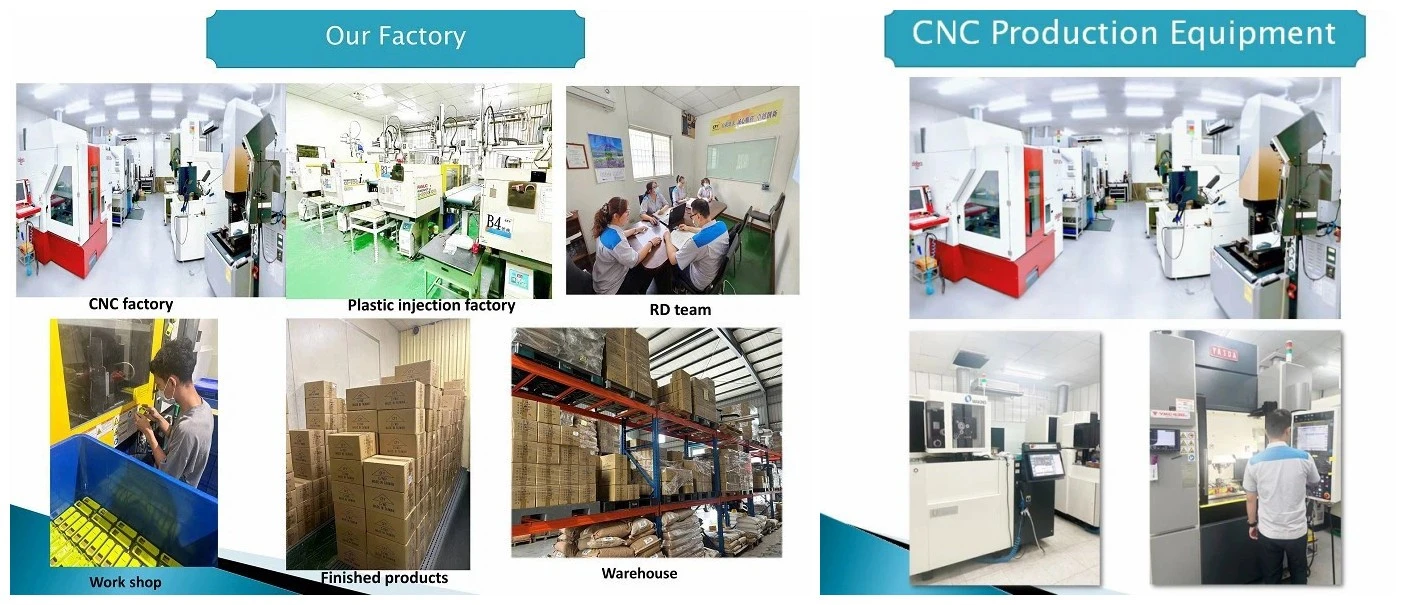
CFY specialize in plastic injection, CNC turning, CNC milling, CNC grinding and have successfully collaborated with companies in these field. We have over 14 years' experience on this field. We specialize in producing various types of components, which are widely applicable to aviation, hand tools, electronics, electrical appliances, automotive, machinery, construction materials, optics, electronic gadgets, cosmetics, and household items.
Q: What is EDM cutting?
Q: How does EDM cutting work?
Q: What are the advantages of EDM cutting?
Q: What materials can be cut with EDM?
Q: Is EDM cutting environmentally friendly?
Q: What is the accuracy of EDM cutting?
Q: What is the surface finish produced by EDM cutting?
Q: What is the speed of EDM cutting?
Q: Can EDM cutting be used for microfabrication?
Q: What safety precautions should be taken when using EDM cutting?
Q: How is EDM cutting controlled?
Q: What are the different types of EDM cutting?
Q: What is wire EDM cutting?
Q: What is die sinking EDM cutting?
Q: What is drilling EDM cutting?
Q: What is hole popping EDM cutting?
Q: How is EDM cutting maintained?
Q: What are the trends in EDM cutting technology?
Q: Can EDM cutting be combined with other machining processes?
Q: What are the applications of EDM cutting?
As one of the leading edm cutting manufacturers and suppliers, we warmly welcome you to buy discount edm cutting for sale here from our factory. All customized products are with high quality and competitive price. For pricelist and free sample, contact us now.
machined plastic parts, Polypropylene Plastic Injection Molding, cnc plastic parts(0/10)