In manufacturing, molding refers to the process of shaping a type of pliable material or liquid by using a rigid matrix or mold. In plastic injection molding, raw polymer resin granules are melted into a liquid and injected into a mold, where the plastic takes the desired shape. Varying levels of heat and pressure may be applied to create the final profile for the end product.

High efficiency- fast production
There are several good reasons that plastic injection molding is known as the most common and most efficient form of molding. The process itself is extremely fast compared to other methods, and the high production output rate makes it even more efficient and cost-effective. Speed depends on the complexity and size of the mold but only about 15-120 seconds pass between each cycle time.
Complex part design
Injection molding can handle extremely complex parts, and uniformity, as well as the ability to make millions of virtually identical parts. To optimize the effectiveness of high-volume injection molding and maximize the precision and quality of your parts, key design elements should be taken into account. The part design must be developed to maximize the efficiency inherent in high-volume molding.
Enhanced strength
Strength is one of the key factors that need to be determined when designing a plastic injection molded part. The designer will need to know if the part needs to be flexible or rigid so that he/she can adjust the integrating ribs or gussets. Understanding how the customer will be using the part and what type of environment the part will be exposed to is also important.
Flexibility- material and color
Choosing the right material and color for a project are two of the essential factors in creating plastic parts. Due to the wide variety of both, the possibilities are almost endless. The advances in polymers over the years have contributed to the development of a large selection of resins from which to choose. To ensure you select the right resin for your project, keep in mind the following variables: impact strength, tensile strength, a flexural modulus of elasticity, heat deflection and water absorption.
Reduced wasteWhen looking for a high-volume injection molding partner, it’s important to consider companies’ green manufacturing initiatives, as these signify a commitment to quality, sustainability, and optimal safety. During the molding process, excess plastic is generated. You want to look for a company that has a system in place to recycle its excess plastic. The most eco-friendly plastic injection molding companies employ state-of-the-art machinery to assist them in minimizing waste, transportation, and packaging.
Low labor costsLabor costs are typically relatively low in plastic injection molding, in comparison with other types of molding. The ability to produce the parts at a very high level with a high output rate helps with its cost efficiency and effectiveness.
The molding equipment typically runs with a self-gating, automatic tool to keep operations streamlined and production ongoing, requiring minimal supervision.
Extrusion moulding
With extrusion moulding, hot melted plastic is pressed through a shaped hole to create a lengthy shaped plastic part. This customizable shape that the liquid plastic gets pressed through is called a die. This die is custom made for the particular outcome that is desired. It is almost like pressing dough through a press to make shaped cookies.
Compression moulding
This method involves the raw liquid plastic being poured into a heated mould and then being compressed together to form the desired shape. The high temperature of the entire process ensures good strength in the final product. The process is finished off by cooling the liquid plastic so that it keeps its form before being trimmed and removed from the mould.
Blow moulding
With blow moulding, the custom plastic parts come out hollow and thin-walled. This method is ideal for when the plastic part has to have uniform wall thickness. This is very similar to the process of glass blowing.
The machine heats up the raw plastic until it becomes liquid and then injects air into it like a balloon. The plastic is blown into a shaped mould and as it gets bigger it presses against the mould walls and it starts to take its shape. After the liquid balloon fills the mould it is cooled to keep its shape. The process is very fast and can produce up to 1400 pieces in a 12-hour work day.
Injection moulding
Injection Moulding is fairly similar to extrusion moulding. The difference here is that with injection moulding the melted plastic is injected directly into a custom mould. The injection is under high pressure so that the mould is filled and a solid part is made. As with the other methods, after the mould is filled, the plastic is cooled as to keep its new shape and then the mould is opened.
This can be compared to a Jello mould when the mould is filled and then cooled to create the final product.
Rotational moulding
Also sometimes called rotomoulding, this method involves the resin or liquid being placed inside the mould and then being rotated at high speeds. The liquid then evenly covers the entire surface of the mould to create a hollowed part with all the walls evenly thick. After the mould is cooled and the liquid plastic has taken its new form it is then taken out of the mould.
This method is very material efficient and very little goes to waste making it more economical and environmentally friendly.
Application of Plastic Injection
Automotive industry: Plastic injection molding is widely used in the automotive industry to produce interior and exterior parts, including dashboards, panels, and bumpers. The process allows for precise and consistent production of components with high strength and durability.
Medical industry: The medical industry relies heavily on plastic injection molding to create medical devices and equipment, such as syringes, IV components, and diagnostic tools. The process allows for the creation of sterile, precise, consistent products that meet strict safety and regulatory requirements.
Consumer goods industry: The consumer goods industry uses plastic injection molding to create various products, such as toys, kitchenware, and electronics. The process allows producing high-quality, aesthetically pleasing products with precise dimensions and functional features.
Aerospace industry: The aerospace industry uses plastic injection molding to create lightweight and durable components, including interior panels and air ducts. The process allows for the creation of complex geometries with high strength-to-weight ratios, essential for aerospace applications.
Construction industry: The construction industry relies on plastic injection molding to create building components, such as insulation materials, piping, and electrical fittings. The process allows for creation of durable and cost-effective products with precise dimensions and functional features.
1.The whole plastic injection moulding process begins with taking the raw plastic material in the form of granules or tiny pellets. This is then fed through a hopper and melted at high heat. When the plastic is soft enough, it is then injected under pressure into a single or multi-cavity mould to produce the desired shape or shapes. Then, the plastic parts are left to cool down enough to harden and solidify. At that stage, the injection mould is opened up and the new plastic component is released by means of moving rods, plates or an air blast, ready to be put into its intended use.
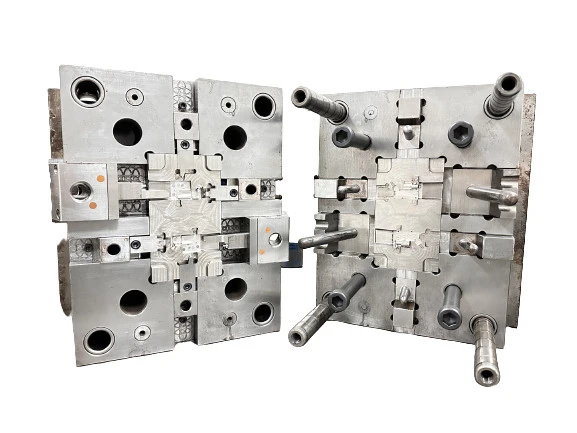
2.The mould itself consists of two separate parts – the injection mould that shapes the plastic entering the machine and the ejector mould that pushes the solidified product out the machine, ready for it to continue its journey along the production cycle. The moulds must be treated with the utmost care to prolong their useful life. Ideal humidity and temperatures must be maintained to ensure optimum performance and to prevent warping.
3.The process is quick and effective, enabling the production of large numbers of plastic components of the same shape and size to take place within shorter time periods, while still managing to ensure astonishing levels of accuracy and a high-quality finish. As with any manufacturing process, plastic injection moulding proccess doesn’t come without its issues, most of which can be corrected with the right technical know-how.
4.Common problems include blistering, burn marks, colour streaking, crazing and twisting, all of which affect the quality and finish of the plastic parts being produced. Thus, injection moulding machines must be routinely maintained and repaired as soon as any problems emerge, and the plastic parts closely inspected as they are being produced in order to prevent delays in the production cycle.
5.Such is the versatility of plastic injection moulding process that various methods can be used to generate different finishes. For example, a two-shot, or multi-shot mould combines two (or more) separate materials and incorporates them into one finished plastic part. This technique is ideal for softer finishes for items such as drawer knobs, or when a part needs to be made of more than one colour or offer different, yet complementary characteristics.
To begin the plastic injection molding process, plastic pellets are fed from a hopper into a barrel. The barrel contains an internal auger.
Simply put, an auger is a screw-shaped device that feeds material by rotating. Heater bands on the outside of the barrel heat the barrel and screw, melting the plastic into a molten state.
When the machine’s cycle is initiated, the mold closes, and the auger plunges forward under high pressure like a giant plunger in a syringe.
In less than a few seconds, the internal auger injects the molten plastic into the empty part of the mold called the cavity. To quickly cool the molten plastic, a coolant—usually water—flows in and around the mold through channels, much like an engine block. In typically less than 60 seconds, the plastic solidifies into the shape of the cavity.
After the plastic part solidifies, the mold opens, and the part is ejected. Once the plastic injection molding machine ejects the solidified plastic part, the process can begin again.
This is a highly popular, versatile synthetic plastics polymer. It is one of the most popular types of plastic which has different forms for ultimate flexibility. The softer, more malleable form is used in a wide range of food packaging , packaging of drinks, textiles, advertising vinyl signs and labelling. The material is also used to encase copper wiring due to its excellent insulating properties. In its more rigid form, PVC makes a good material for drinks bottles, children’s toys and water pipes.
This flexible polymer is used a lot to produce a plastic film for packaging and labelling. Its strong resistance to chemicals, solvents and acids, along with its low-friction surface and hygienic finish, help to protect delicate contents inside. Plus, it can keep edible or sterile medical contents free from contamination. PP is also used in the textiles industry, including carpet and rug fibres. It is also sometimes used for common household items in its rigid form, such as washing up bowls, microwavable dishes and storage containers.
PET is another of the more commonly used injection moulded plastics. It can be used for food and drinks jars, bottles and containers. PET has an aesthetically pleasing finish and works well for branded goods. PET is also frequently used in textiles, where it is usually known as polyester and is prized for its durability and resistance to damage. PET can be recycled easily, adding to its sustainability credentials.
This polymer takes on a transparent appearance following injection molding, making it a perfect types of plastic for alternative to the glass where safety is paramount. PMMA is also known as acrylic, Perspex or Plexiglass and is used a lot in the retail and commercial sectors for screens, advertising and rigid packaging that shows the contents inside. It is also used for glasses, contact lenses and other optical devices. PMMA is tough and reliable, coming in sheet form or injection molded to fit precise customer specifications.
HDPE is a types of plastic made from petroleum. It offers customers a high strength to density ratio and is often used to manufacture water and gas pipes, plastic bottles for drinks, shampoo and conditioner packs and dispensing pumps for cosmetics and beauty creams. HDPE also has excellent insulation properties, so is commonly used where chilled or frozen goods need to remain at a constant temperature while they are transported where they need to be.
LDPE is another common thermoplastic made from petroleum. It is flexible with high ductility and low tensile strength. LDPE is used to make plastic bags, bin liners, food trays, computer components and floor tiles. It is lightweight and easy to keep clean due to its smooth surface finish.
ABS is one the common types of plastics which is transparent, durable plastic that is used as a glass alternative. This could be for safety or aesthetic reasons. ABS is popular in the cosmetics and beauty sector for protective packaging that allows customers to see the products inside. It can be manufactured to look clear or it can be made in any colour to match branding. This product is excellent for jars, containers and pots for serums, creams, lotions and waxes, as well as for children’s toys, such as plastic building blocks. ABS also works extremely well with 3D printing techniques.
SAN is an older plastic used in the injection molding process. It has largely been surpassed by Acrylonitrile Butadiene Styrene (ABS) now, but it can still be found in industrial applications. SAN is rigid, transparent and durable, offering excellent protective and hygienic properties. The polymer chains accept colour and print easily, so it can be used for branded packaging, advertising and warning signage. It also insulates very well, so is still used in thermally insulated household goods such as coffee jugs and flasks.
This is one of types of plastic commonly used as packaging for delicate items while they are in transit. It can also be used for disposable cups and single-use medical devices. Polystyrene is naturally transparent, soft and resistant to damage from sudden impacts, which is why is it such prized protective packaging material. Like other polymers , it can be formed into any shape, size and colour.
CFY specialize in plastic injection, CNC turning, CNC milling, CNC grinding and have successfully collaborated with companies in these field. We have over 14 years' experience on this field. We specialize in producing various types of components, which are widely applicable to aviation, hand tools, electronics, electrical appliances, automotive, machinery, construction materials, optics, electronic gadgets, cosmetics, and household items.
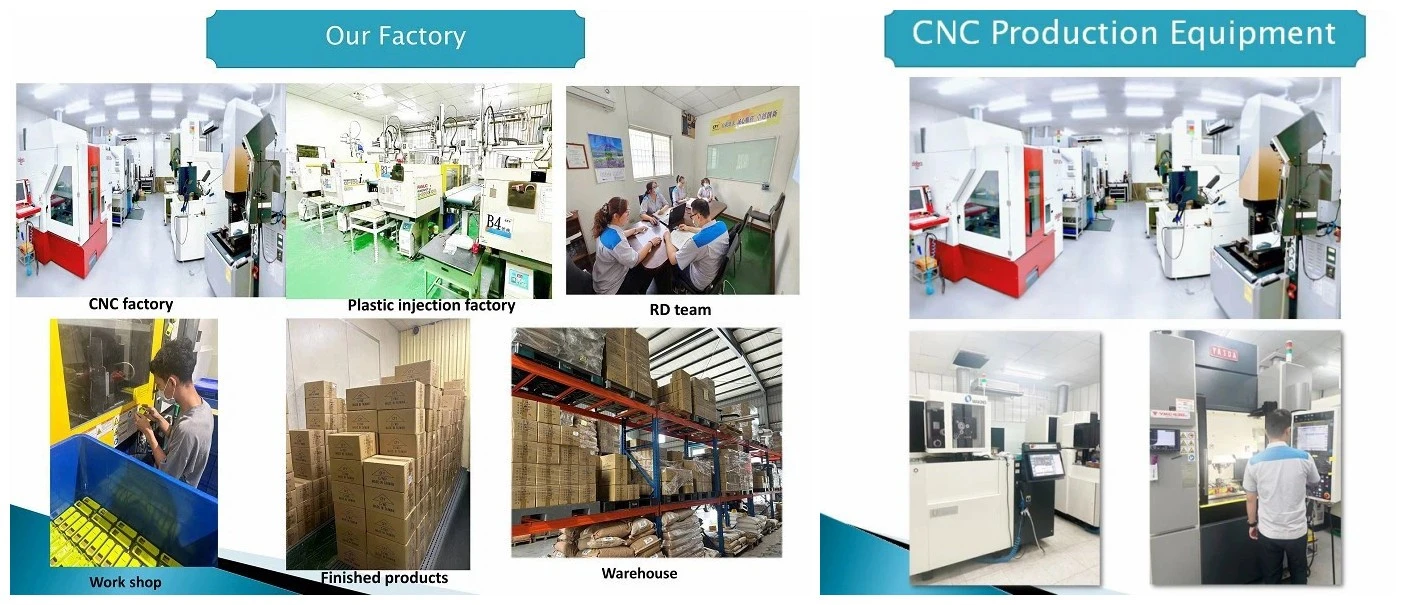
As one of the leading plastic injection manufacturers and suppliers, we warmly welcome you to buy discount plastic injection for sale here from our factory. All customized products are with high quality and competitive price. For pricelist and free sample, contact us now.
Brass Turned Parts, Stamping 304 Stainless Steel, Machining Metal Parts(0/10)