Injection moulding is a manufacturing process that allows for parts to be produced in large volumes. It works by injecting molten materials into a mould (or ‘mold’ in the United States). It is typically used as a mass production process to manufacture thousands of identical items. Injection moulding materials include metals, glasses, elastomers and confections, although it is most commonly used with thermoplastic and thermosetting polymers.

Ability to produce detailed/complex geometries
With the right tool design and a scientific molding approach to process optimization, injection molding can help manufacturers produce highly complex, detailed plastic parts in large volumes with virtually no deviation.
Efficiency
An experienced custom injection molding partner provides manufacturers with a decided advantage in terms of efficiency. The molder’s teams — from engineering through production — likely have decades of expertise to draw upon when determining how to optimize part design and manufacturing. Implementing best practices generally streamlines time and cost commitments. For example, focusing on design upfront minimizes problems and costly redos, and incorporating value-added services combines production process steps for utmost efficiency.
Strength & versatility
Of all the benefits of injection molding, the steady increase in the strength and versatility of plastics may be most appreciated. Today’s lightweight thermoplastics can withstand even the harshest environments on par with — or better than — metal parts. Additionally, plastics are versatile. There are more than 25,000 engineered materials to choose from for complex injection molding applications. High-performance blends and hybrids can also be formulated to meet very specific part requirements and characteristics, such as high tensile strength.
Ability to simultaneously use multiple types of plastic
Complex part designs commonly require components made of different materials. While seemingly a matter of simple choices, safely combining plastics can be extremely complicated. The plastics expertise of the molder’s project engineers guides compatibility, and helps prevent defects, injury risk, and warranty claims.
Cost savings
There are several ways that injection molding can help OEMs experience lower costs, from plastic part consolidation to overmolding. However, the #1 way to manage costs is through collaboration between OEM and injection molding engineering teams well before production is set. Focusing on Design for Manufacturability (DfM) and other detailed processes during the design phase significantly reduces the number of problems sometimes encountered with moldability — minimizing the need for expensive tooling changes, downtime, and other production delays.
Precision
For complex part designs requiring tight tolerances, injection molders can achieve designs accurate to within +/- .001 inches. These measurements aren't only possible; they're repeatable across production runs and equipment.
Shorten product development time
Different skill sets held by injection molding engineers can help OEMs achieve a shorter product development timeline. Doing so means faster production cycles and getting defect-free parts to market quickly — a decided competitive advantage for manufacturers.
Multiple finishes
A smooth surface is the desired final look for most injection molded parts. However, it’s not the appropriate finish for every application. Depending on the physical and chemical properties of the plastics used, injection molding allows for surface finishes that don’t require secondary operations — from matte finishes and unique textures to engraving and more.
High-output production & consistency
High-output production of complex plastic parts — especially those with tight tolerances — requires a consistent, repeatable process. Injection molding is an ideal solution since parts are produced using the same tooling, combined with the molder’s continuous improvement practices that incorporate current leading-edge technologies.
Color control
From clear to any color an OEM needs, injection molders can make it happen by aligning plastics, additives, and biocompatibility to achieve desired coloration. Should multiple colors be needed in one product, a molder with proven overmolding and multi-material injection molding experience is the best bet for quality solutions.
Gas-assisted injection molding
In gas-assisted injection molding, a pressurized inert gas (typically nitrogen gas) is injected into the mold right after the molten plastic, forcing the material into the mold walls and leaving a cavity where the gas once was. This gas allows for built-in hollow sections in a mold, but it also promotes cooling and prevents distortions by evening out wall thicknesses, especially in thick walls in an injection mold. Uses for gas-assisted injection molding include material reduction in large parts, hollow products, and other porous designs.
Thin-wall molding
In thin wall molding, parts maximize material and cost savings by utilizing thin wall thicknesses relative to the part’s overall size. Thin wall molding allows for 1-2mm thick walls that both decrease cycle time but increase needed injection pressure. Specialized thin wall injection molding machines have the highest precision specifications among injection molding machines, as thin-wall molding is often used for small parts. Uses for thin-wall injection molding are small, tight-tolerance applications like electronic parts, enclosures, medical device components, tubing, etc.
Liquid silicone injection molding
Liquid silicone injection molding allows for the mass production of silicone rubber products. This type of injection molding is distinct from others in that silicone rubber is technically a thermoset rubber, therefore it will require vulcanization (the process that provides rubber its beneficial material properties like durability and flexibility). Opposite to typical injection molding where molten plastic is injected into a colder mold, cold silicone rubber is injected into a heated mold cavity and vulcanized. This injection molding technology requires specialized equipment such as mixers, metering units, perfectly sealed molds, and other components. Uses include products for sealing applications, connectors, over-molding for other plastic products, infant products, biocompatible medical products, baking equipment, insulating products, and more.
Liquid silicone injection molding has several unique advantages. The material does not require any melting and can be kept in its liquid form, ready to use. Silicone is generally quick to solidify and produces little to no burrs/waste if the machine is engineered correctly. This injection molding technology typically automates the injection process to reduce operator errors and offers a lower risk process as at no point is the material hot except inside the mold. Silicone products are one of the only biocompatible materials and are impressively resistant to chemicals, temperature, and electricity, making them a unique offering from an otherwise thermoplastic-laden injection molding selection.
Structural foam molding
Structural foam molding allows for the mass-production of very large parts, thanks to the introduction of a composite material formed from a polymer mixed with an inert gas (such as nitrogen) or a chemical blowing agent. Material is kept separate in liquid state and then mixed inside the mold. The gas/ chemical blower is then added to the mixture, causing a change in the chemical reaction that results in the formation of a low-density, rapid expansion of foam. As the foam expands and cures, the interior retains its high porosity core while the surface interface between the foam and the mold collapses, forming a high-density protective skin on the outside of the part. The resulting injection mold is a lightweight, flexible, and strong foam product. Uses for structural foam molding include car roofs, housings for medical equipment, skis, interior and exterior automotive parts, and other large parts.
Application of Injection Molding
Construction: Injection molding various construction and building components is becoming increasingly popular due to the innate versatility of plastic injection molding. There are many reasons why this method is suitable for use in construction:
1.Very high stability of the materials used
2.Exceptional durability during elemental exposure
3.Better cost-effectiveness in comparison to wood and metal
4.Very good energy efficiency
5.Low weight of parts and components
6.A wide selection of finishes and materials
Food industry: Parts used in the food and beverage field must follow stringent health and safety rules and regulations, such as the GMA-safe program and FDA certification. All this is necessary to ensure the wellbeing of individuals using such products. To abide by the aforementioned standards, molded parts have to be BPA-free and completely non-toxic.
That’s why it’s important to choose the right resins and materials to produce those elements that will be used in this industry. The most commonly-manufactured parts for this industry are:
1.Various components for processing equipment
2.Containers for beverage and food
3.Parts for filtering and dispensing beverages
4.Conveyor system components
5.Overcaps
Medical industry: Similarly to the food and beverage industry, plastic parts made for the medical and pharmaceutical field have to follow even more stringent guidelines. In order to meet those standards, manufacturers must use FDA or medical-grade resins and manufacture their components according to ISO certification.
What’s more, components for the medical field require various chemical properties, such as high tensile strength, resistance to very high temperatures, and others. Plastic injection molding is suitable for this field of applications because the parts have:
1.Low weight
2.High design flexibility
3.Reduced lead time and costs
4.Low patient risk
Point of purchase: These components have to be both decorative and functional, which means the manufacturer has to achieve the balance between aesthetics, usability, and durability. The components you can create through plastic injection molding are so varied it’s difficult to name the most common ones. Some of the frequently used parts are product stops, hooks for pegboards, shelf dividers, but also many more.
Automotive components: Due to its innate design flexibility, but also high durability and longevity, plastic injection molded parts are very frequently used in the automotive industry. This process makes it easy to design and create various items you find in and on your car every day, such as mirror housings, cup holders, bumpers, but also entire dashboards.
The Injection Molding Process Steps
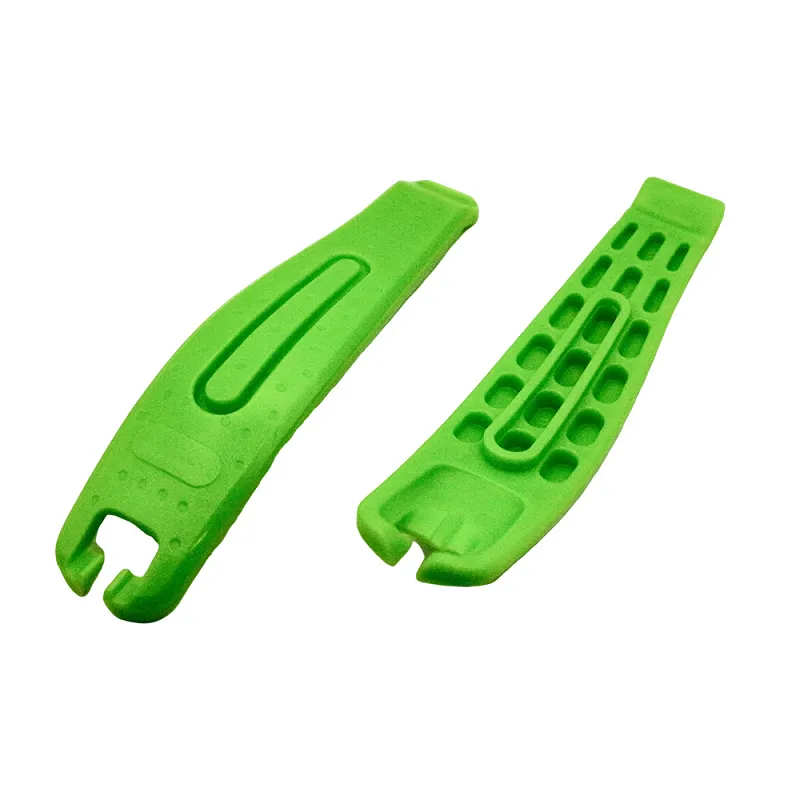
01.Clamping
02.Injection
03.Dwelling
04.Cooling
The cooling stage is the most straightforward; the mold should be left alone so that the hot plastic inside can cool and solidify into a usable product that can be safely removed from the mold.
05.Mold opening
Regular inspection
Regular inspections are key to identifying potential issues early on and preventing them from escalating into more significant problems. Schedule routine inspections of your injection molding equipment to check for signs of wear and tear, loose connections, leaks, and other issues that may affect performance. Pay close attention to critical components such as screws, barrels, nozzles, and hydraulic systems.
Lubrication
Proper lubrication is essential for ensuring smooth operation and preventing friction-related damage. Refer to the manufacturer’s guidelines to determine the appropriate lubricants and lubrication intervals for different components of your injection molding equipment. Over-lubrication can be as detrimental as under-lubrication, so follow the recommended guidelines carefully to avoid excess buildup and contamination.
Cleanliness
Maintaining cleanliness is crucial for preventing contamination and ensuring the quality of molded products. Regularly clean the surfaces, molds, and components of your injection molding equipment using suitable cleaning agents and techniques. Pay particular attention to areas prone to buildup, such as cooling channels, ejector pins, and vents. Implementing a comprehensive cleaning regimen will help prolong the lifespan of your equipment and minimize the risk of defects.
Temperature control
Maintaining precise temperature control is essential for achieving consistent molding results and preventing thermal degradation of materials. Calibrate and monitor the temperature settings of heating elements, molds, and cooling systems regularly to ensure they are operating within the specified range. Periodically inspect and clean heating elements, thermocouples, and temperature sensors to maintain accuracy and reliability.
Replace worn components
Over time, components of injection molding equipment may wear out or become damaged due to prolonged use. Keep an inventory of spare parts and regularly replace worn or damaged components to prevent unexpected breakdowns and downtime. Components such as seals, O-rings, nozzles, and heating elements should be replaced as part of routine maintenance to ensure optimal performance and reliability.
Operator training
Invest in comprehensive training programs for operators and maintenance personnel to ensure they understand the proper operation and maintenance procedures for injection molding equipment. Empower your team with the knowledge and skills they need to identify potential issues, perform routine maintenance tasks, and troubleshoot common problems effectively. Regular training sessions will help instill a culture of safety, efficiency, and accountability within your organization.
CFY specialize in plastic injection, CNC turning, CNC milling, CNC grinding and have successfully collaborated with companies in these field. We have over 14 years' experience on this field. We specialize in producing various types of components, which are widely applicable to aviation, hand tools, electronics, electrical appliances, automotive, machinery, construction materials, optics, electronic gadgets, cosmetics, and household items.
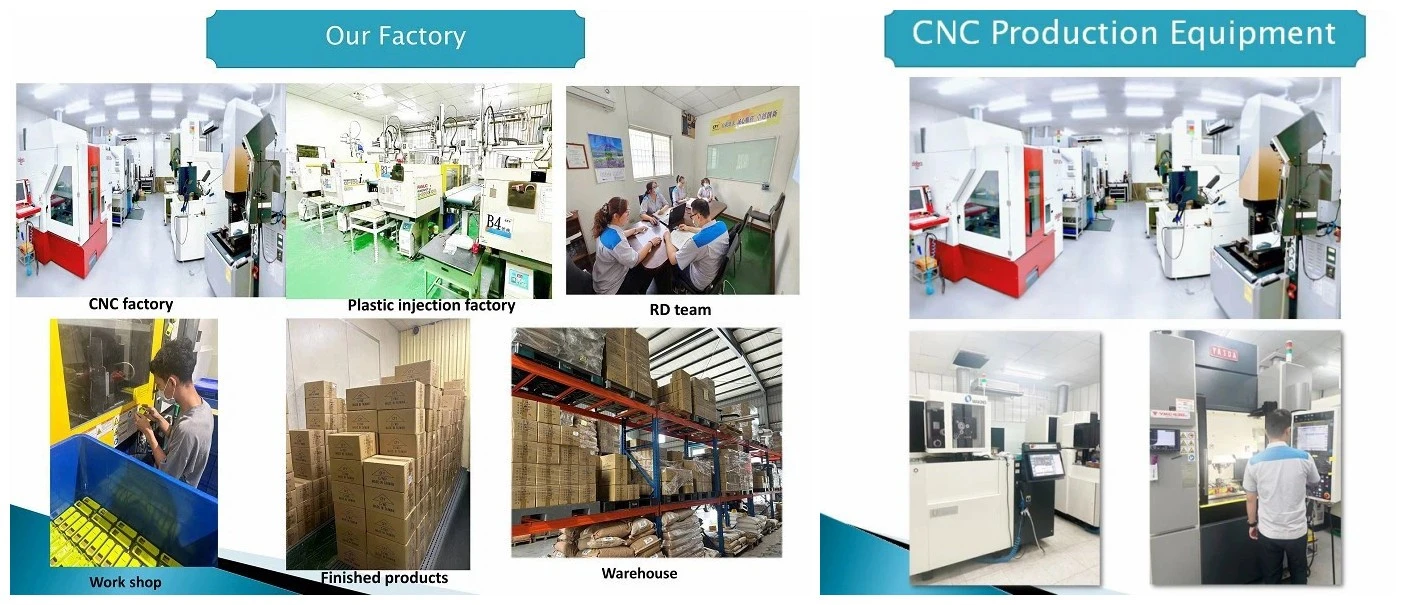
As one of the leading injection molding manufacturers and suppliers, we warmly welcome you to buy discount injection molding for sale here from our factory. All customized products are with high quality and competitive price. For pricelist and free sample, contact us now.
micro plastic injection molding, micro 5 axis cnc, Steel Molds For Casting(0/10)