CNC cutting stands for Computer Numerical Control cutting. It is a machining process that involves using software to control the movement of machines, such as mills, lathes, routers, grinders, and plasma cutters. These machines are programmed to perform precise movements and operations according to a digital model or blueprint.
CNC cutting is widely used in various industries, including automotive, aerospace, medical, and manufacturing, due to its ability to produce complex and precise parts with minimal waste. The process starts with creating a CAD (Computer-Aided Design) model of the desired part. This model is then converted into a CAM (Computer-Aided Manufacturing) program, which controls the movements of the CNC machine.

Increased precision and accuracy
CNC cutting machines are capable of producing highly accurate parts and components with minimal tolerances. The use of computer software ensures that the cutting tool follows the programmed path with exactness, resulting in consistent and precise output.
Improved efficiency and productivity
CNC cutting reduces setup times and allows for unattended operation, thereby increasing productivity. The ability to run multiple jobs simultaneously and the reduced need for manual intervention result in higher throughput and lower production costs.
Versatility
CNC cutting machines can be programmed to perform a wide range of tasks, such as drilling, turning, milling, routing, and laser cutting. This versatility makes them suitable for working with different materials, shapes, and sizes, accommodating diverse applications and custom orders.
Reduced waste and scrap material
CNC cutting optimizes material usage by minimizing waste and scrap. The precise cutting capabilities reduce the need for excess material and allow for the economical utilization of resources.
Automation
CNC cutting can be fully automated, from loading the workpiece to unloading the finished product. This automation reduces labor costs, eliminates human error, and enables continuous operation around the clock.
Repeatability
CNC cutting machines can replicate the same machining process repeatedly with consistent results. This repeatability ensures that every part produced meets the exact specifications required for quality and performance.
Flexibility
CNC cutting provides flexibility in manufacturing by allowing quick changeovers between jobs. The ability to program and adjust the machine settings rapidly enables efficient utilization of the machinery for short runs and customized orders.
Improved quality
CNC cutting enhances the overall quality of the finished product by eliminating common errors associated with manual cutting methods. The precise control over the cutting parameters reduces defects, variations, and rework.
Training and skill requirements
CNC cutting machines require less skilled labor compared to traditional machining methods. Operators need only basic training to operate the equipment, and programming can be done by specialists.
Traceability
With CNC cutting, each machining operation can be recorded and monitored, enabling traceability of the production process. This feature is particularly useful in industries where quality control and compliance are crucial.
Integration with other technologies
CNC cutting integrates seamlessly with other technologies, such as CAD/CAM software, robots, and automation systems. This integration allows for streamlined workflows, enhanced data management, and improved communication between different stages of the manufacturing process.
CNC milling
Involves the rotation of multi-point cutting tools to remove material from the workpiece. It is suitable for producing complex shapes and contours with high accuracy. CNC milling machines can perform a range of operations, such as drilling, tapping, and threading.
CNC turning
Specializes in producing symmetrical parts, such as shafts and cylinders, by rotating the workpiece against a single-point cutting tool. It is well-suited for applications requiring high length-to-diameter ratios.
CNC routing
Similar to milling, but often refers to the use of a router bit to remove material from the workpiece. It is commonly employed in the production of signs, engraving, and woodworking applications.
CNC laser cutting
Utilizes a high-power laser to cut through materials with extreme precision. It is ideal for delicate or complex parts, as it offers minimal heat distortion and tight tolerances.
CNC plasma cutting
An arc of electricity is generated through gas to create an ionized path for the plasma, which cuts through the workpiece with high speed and efficiency. It is particularly suited for metals and thicker materials.
CNC waterjet cutting
A high-pressure jet of water mixed with abrasives is used to cut through a variety of materials, including metals, stone, glass, and composites. Waterjet cutting offers the advantage of minimal heat input, resulting in little to no warping of the material.
CNC electrical discharge machining (EDM)
A non-traditional cutting process that uses electrical sparks to erode the workpiece material. There are two types of EDM: wire EDM, which uses a thin wire to discharge the material, and die sinking EDM, which erodes the material away from a tool electrode.
CNC knife cutting
Primarily used in the cutting of paper, fabric, and other flexible materials. It utilizes a sharp knife blade that moves in a programmed pattern to accurately cut the material.
Material of CNC Cutting
CNC cutting can be performed on a variety of materials, depending on the specific requirements of the application. Here are some common materials used in CNC cutting:
Metals: CNC cutting is widely used for processing various metals, including steel, aluminum, brass, copper, stainless steel, titanium, and exotic alloys. These metals can be cut using techniques such as laser cutting, plasma cutting, and waterjet cutting.
Plastics: A range of plastics can be cut using CNC machines, including acrylic, polycarbonate, PVC, ABS, nylon, and polyurethane. Plastic materials are often used in applications where lightweight and corrosion resistance are important.
Woods and composites: Wooden materials like oak, maple, and plywood, as well as composite woods like MDF and particleboard, can be cut with CNC routers. These materials are commonly used in cabinetry, furniture, and sign making.
Glass: CNC cutting techniques, such as waterjet cutting, can be used to cut glass panels with high precision. Glass cutting is often utilized in architectural projects and the production of decorative elements.
Stone and ceramics: Materials such as marble, granite, and ceramic tiles can be cut using CNC waterjet cutting or diamond-tipped tools on CNC milling machines. This is particularly useful in the production of countertops, floor tiles, and monuments.
Foams and rubber: Lightweight foams and rubber materials can be cut using CNC knife cutting machines. These materials are used in applications such as packaging, insulation, and gasket manufacturing.
Non-metallic materials: Other non-metallic materials that can be cut with CNC machines include fabrics, paper, leather, and certain types of composites.
The choice of material largely depends on factors such as the mechanical properties required, the thermal conductivity of the material, the desired surface finish, and the cost implications. CNC cutting machines are designed to accommodate a broad range of materials and can be equipped with appropriate tools and technologies to handle different material types effectively.
Automotive industry
CNC cutting is utilized in the automotive sector for producing body parts, engine components, and trim pieces. Laser cutting is often used for precise sheet metal work, while CNC milling machines are used for complex part geometries.
Aerospace industry
In the aerospace industry, CNC cutting plays a crucial role in the manufacture of aircraft parts, including wings, fuselage sections, and engine components. These parts often require high precision and complex shapes, which CNC machines can deliver.
Medical industry
The medical industry relies on CNC cutting for the production of intricate devices and components, such as surgical instruments, prosthetics, and dental implants. The precision offered by CNC machines is essential for ensuring the functionality and safety of these medical devices.
Fabrication industry
CNC cutting is widely used in metal fabrication shops for tasks such as cutting sheet metal, tubes, and bars into the required shapes and sizes for further assembly or welding. Laser cutting and plasma cutting are popular methods in this industry.
Construction industry
CNC cutting is employed in the construction industry for the fabrication of steel reinforcement bars, cutting glass panels for windows and doors, and the production of custom building components like countertops and tiles.
Signage and graphics industry
CNC routers and laser cutting machines are used to create complex designs and logos on a variety of materials for signage and display purposes. This includes cutting vinyl, plastic, wood, and metal into the desired shapes and patterns.
Energy industry
CNC cutting is utilized in the energy sector for the production of components for wind turbines, solar panels, and power generation equipment. These components often require precise and complex shapes that can only be achieved with CNC machines.
Jewelry industry
The jewelry industry uses CNC machines to cut and shape precious metals into intricate designs for rings, bracelets, and necklaces. Laser cutting can also be used to produce detailed patterns on jewelry pieces.
Electronics industry
In the electronics industry, CNC machines are used to cut and shape components for circuit boards, smartphones, and other electronic devices. The precision and repeatability of CNC cutting are critical in this field.
Arts and crafts
Artists and hobbyists also make use of CNC cutting technology to create unique works of art or custom designs on various materials. This can include anything from cutting wood to create a piece of furniture to using a CNC machine to carve a sculpture out of foam.


Design and programming
The first step is to create a CAD (Computer-Aided Design) model of the part or component that needs to be cut. This design is then programmed using CAM (Computer-Aided Manufacturing) software, which generates the instructions that will control the CNC machine.
Material preparation
Once the design is complete and the program is generated, the material to be cut is prepared. This may involve loading the material onto a fixture or table within the CNC machine, or it may require manual positioning of the material in preparation for the cutting process.
Machine setup
The CNC machine is set up according to the material type, thickness, and the desired cutting parameters. This includes selecting the appropriate cutting tool, adjusting the speed and feed rate, and setting any necessary coordinates or offsets in the machine's controller.
Tool path simulation
Before actual cutting begins, a simulation is often run to visualize the path the cutting tool will take. This allows for any adjustments to be made to the program to ensure optimal cutting results.
First cut and inspection
A test cut is typically performed to verify the accuracy of the setup and the program. The part is then inspected to ensure it meets the required tolerances and quality standards. Any necessary adjustments are made at this point.
Production cutting
Once the first cut has been approved, the machine begins the production cutting process. The CNC machine follows the programmed instructions, moving the cutting tool along the specified path to accurately cut the material.
Quality control
During production, regular inspections are carried out to ensure the parts being cut meet the required specifications. This may include visual inspections, dimensional checks using measuring tools, and sometimes additional non-destructive testing methods.
Post-processing
Depending on the application, the cut parts may require additional processes such as deburring, finishing, or assembly. These steps are typically done manually or with other specialized machinery.
Packaging and shipping
Once the cutting is complete and any necessary post-processing has been performed, the parts are packaged appropriately for protection during shipping. They are then shipped to their intended destination, whether it's a customer, another production line, or a distribution center.
Documentation
Records are kept throughout the production process to document the materials used, the machine settings, inspection results, and any other relevant data. This documentation serves as a quality record and may be required for traceability and compliance with industry standards.
Controller
The heart of any CNC machine is its digital controller, which is responsible for executing the instructions contained in the part program. The controller interprets the program code and converts it into movements of the machine's axes.
Axis motors and drives
These components enable the machine to move in the directions required for cutting. Each axis is driven by a motor, such as a stepper motor or servomotor, which powers a drive system, such as ball screws or linear motors, to translate the rotational motion of the motor into linear motion.
Spindle
The spindle is where the cutting tool is mounted. It provides the rotational force needed to spin the tool at high speeds, allowing it to cut through the material.
Cutting tool
The cutting tool is the implement that physically removes material from the workpiece. It is selected based on the type of material being cut, the desired cut quality, and the required cutting parameters.
Workholding fixtures
These are used to securely hold the workpiece in place during the cutting process. Depending on the shape and size of the workpiece, different types of fixtures can be used, such as vices, clamps, or vacuum tables.
Coolant system
To prevent overheating of the workpiece and the cutting tool, coolant is often used. This can be a liquid coolant that lubricates the cutting zone and washes away the chips, or an air blast that helps clear the cut area.
Power source
For laser cutting machines, a high-power laser beam is generated by a CO2 laser or a fiber laser. The laser beam is directed at the material through a series of mirrors or a fiber optic cable.
Gas supply
In plasma cutting, a compressed gas, such as nitrogen or argon, is used to ionize the gas and create the plasma arc. The same gas is also used to shield the molten pool and help clear the cut area from slag.
Software
Computer software is used to create the cutting program, simulate the cutting path, and monitor the cutting process in real time. This software integrates with the CNC controller to provide the necessary instructions for the machine to operate correctly.
Sensors and interlocks
Various sensors are used to monitor critical machine functions, such as the position of the axes, the temperature of the workpiece, and the condition of the cutting tool. Interlocks ensure safe operation by disabling the machine if safety conditions are not met.
User interface
The user interface is the means by which the operator interacts with the machine. It includes a control panel with buttons and dials for manual control, as well as a display screen for showing the status of the machine and providing feedback during operation.
Regular cleaning
- Clean the machine surface regularly to remove dust and debris that can accumulate over time.
- Vacuum or blow out the inside of the machine to remove any loose particles or fibers that may have entered the machine during operation.
- Keep the work area clean to avoid introducing contaminants that could affect the machine's accuracy or cause damage.
Lubrication
- Apply lubrication to all moving parts, such as the axes and spindle, according to the manufacturer's recommendations.
- Check and refill lubricant reservoirs as needed to ensure smooth operation and prevent premature wear.
Air blast maintenance (for plasma cutting)
- Replace or clean the nozzle and swirl ring regularly to maintain the airflow pattern and protect the consumable electrodes.
- Check the pressure of the compressed air supply to ensure it meets the machine's specifications.
Laser maintenance (for laser cutting)
- Replace the laser lens at regular intervals to maintain focus and laser beam quality.
- Clean the mirrors and optical components to avoid contamination that can reduce laser power.
Tool maintenance
- Regularly inspect and replace worn cutting tools to maintain cut quality and accuracy.
- Keep spare tools on hand to minimize downtime due to tool changes.
Electrical and pneumatic systems
- Check electrical connections and wiring for damage or loose contacts.
- Inspect pneumatic hoses and fittings for leaks or damage.
- Test emergency stop systems and safety interlocks to ensure they are functional.
Software updates
- Keep the machine's control software updated with the latest firmware or software revisions provided by the manufacturer.
- Verify that any custom software or post-processors are compatible with the new software versions.
Machine calibration
- Perform periodic calibration of the machine to maintain accuracy.
- Check and adjust the zero points of the machine's axes to compensate for any drift.
Preventive maintenance checks
- Establish a preventive maintenance schedule that includes routine inspections and checks.
- Document maintenance activities and any findings or corrective actions taken.
Training and operational procedures
- Train operators and maintenance staff on proper machine operation and maintenance procedures.
- Ensure that operators follow established procedures to prevent accidents and damage.
Troubleshooting
- Be ready to troubleshoot issues as they arise, using the machine's diagnostic system and service manual.
- Record any problems and their solutions for future reference.
Cutting technology
There are several types of CNC cutting machines available, each utilizing different technologies. Laser cutters use intense beams of light to cut through materials, while plasma cutters use ionized gas to cut through thicker materials. Waterjet cutters, on the other hand, use a high-pressure stream of water mixed with abrasives to cut through a wider range of materials. Consider the type of materials you will be working with and the precision and speed required for your projects.
Machine capacity
The capacity of a CNC cutting machine refers to its ability to handle various thicknesses, lengths, and widths of materials. If you work with large or heavy materials, you will need a machine with a robust structure and high weight capacity. Similarly, if you require precise cuts on larger pieces, you should look for machines with a large working area.
Cutting accuracy
The accuracy of a CNC cutting machine is crucial, especially for businesses that require precise parts for assembly or manufacturing. Look for machines that can deliver high cutting accuracy within tight tolerances.
Software compatibility
CNC cutting machines require software to create and execute cutting patterns. Ensure that the machine you choose is compatible with your CAD/CAM software or can be easily integrated with popular software programs.
Ease of use and maintenance
User-friendly interfaces and minimal maintenance requirements can save you time and reduce the risk of operator error. Consider the learning curve associated with different machines and the availability of technical support.
Cost and budget
The cost of CNC cutting machines can vary significantly depending on their capabilities and brand. Determine your budget and prioritize the features that are most important for your business. Keep in mind that cheaper models may lack certain features or have lower build quality, while more expensive models may offer advanced features and higher precision.
Brand and reputation
Research different brands and read customer reviews to get an idea of the machine's reliability, performance, and after-sales service. A well-established brand with a good reputation for customer service and support can provide valuable peace of mind.
Accessories and consumables
Consider the availability and cost of accessories and consumables, such as cutting gases, laser lenses, and waterjet parts. The ongoing cost of these items can add up over time, so it's important to factor them into your budget.
Local support and service
If you require local support or regular maintenance, choose a machine from a vendor or manufacturer that offers comprehensive service and support in your region.
Application-specific features
Depending on your industry and the specific applications you have in mind, there may be additional features you should look for. For example, if you work with delicate or heat-sensitive materials, you might want a machine with a built-in air-cooling system to prevent warping during cutting.
How CNC Cutting Works
CNC cutting, or Computer Numerical Control cutting, is a process that uses computer software and a high level of precision to cut a variety of materials, such as metals, plastics, wood, and composites. Here's a detailed explanation of how CNC cutting works:
Design and programming: Before the cutting process can begin, a design is created using computer-aided design (CAD) software. This design is then programmed using computer-aided manufacturing (CAM) software, which converts the digital design into a set of instructions that the CNC machine can understand.
Setup: The material to be cut is loaded onto the machine's work surface, often referred to as a bed, and secured in place using clamps or vacuum suction. The correct cutting tool is selected and attached to the machine's cutting head.
Power-up and homing: The machine is powered on, and the axes are homed to their zero positions. This ensures that the machine starts cutting from the correct position and prevents collisions or errors.
Tool path execution: The machine begins to move according to the programmed instructions. The cutting tool travels along a pre-determined path, controlled by the CNC controller, to cut the material. This path is typically a three-dimensional (3D) path that follows the contours and details of the design.
Cutting process: The cutting tool removes material by drilling, milling, or eroding it away. The type of cutting method depends on the machine and the material being cut. For example, a laser cutter uses a high-powered laser beam to vaporize the material, while a plasma cutter uses an ionized gas jet to melt the material and a high-pressure gas to blow away the molten material.
Feed rate and cutting parameters: The feed rate, or how fast the cutting tool moves relative to the material, is determined by the CAM software and programmed into the machine. Other parameters, such as cutting speed, depth, and width, are also specified to achieve the desired cut quality and accuracy.
Automation: Many CNC cutting machines are fully automated, meaning they can operate without human intervention once the program is loaded and the machine is started. This allows for unattended production runs and high throughput.
Monitoring and control: During the cutting process, the CNC machine constantly monitors and adjusts its position, speed, and cutting parameters to ensure accuracy and quality. Some machines may also have sensors to detect material presence, thickness, or temperature changes.
Finishing touches: Once the cutting is complete, any remaining rough edges may be removed using secondary processes, such as sanding or deburring.
Inspection and quality control: The finished parts are inspected to verify that they meet the design specifications and quality standards. This can involve visual inspection, measurement with precision tools, or non-destructive testing methods.
CNC cutting technology has revolutionized manufacturing by enabling complex shapes and designs to be accurately cut with minimal waste and high repeatability. With advancements in software and machine technologies, CNC cutting continues to become more precise, versatile, and accessible for a wide range of applications.
CFY specialize in plastic injection, CNC turning, CNC milling, CNC grinding and have successfully collaborated with companies in these field. We have over 14 years' experience on this field. We specialize in producing various types of components, which are widely applicable to aviation, hand tools, electronics, electrical appliances, automotive, machinery, construction materials, optics, electronic gadgets, cosmetics, and household items.
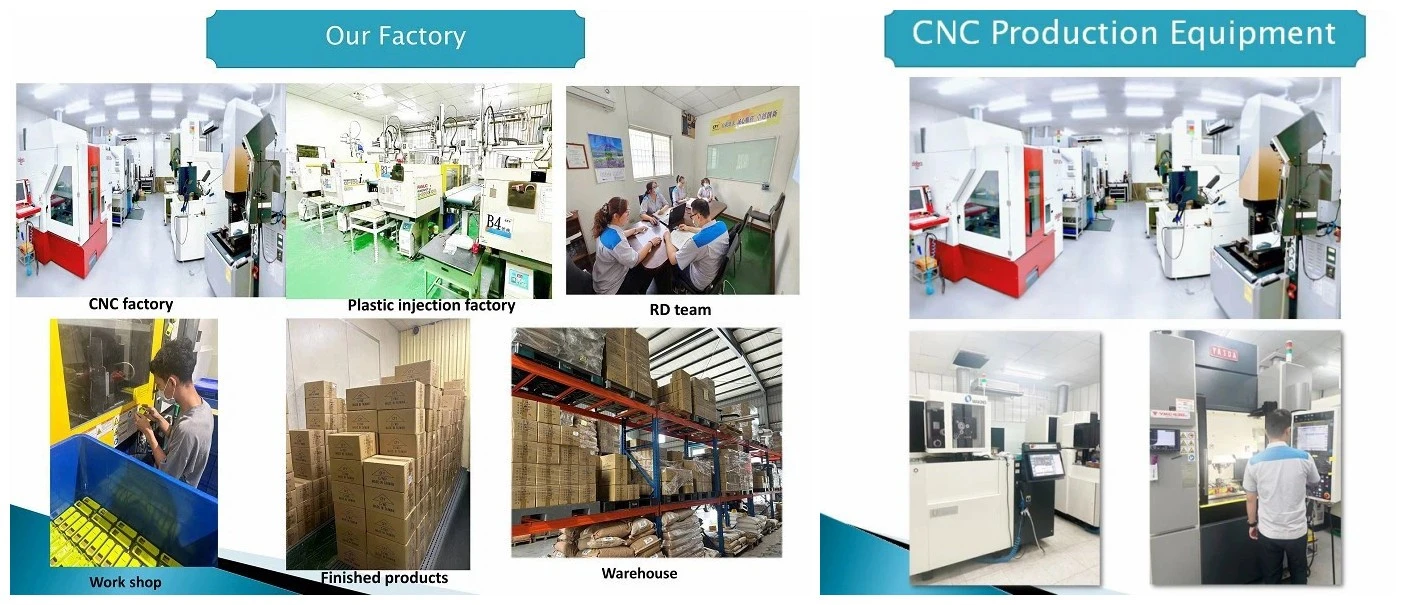
As one of the leading cnc cutting manufacturers and suppliers, we warmly welcome you to buy discount cnc cutting for sale here from our factory. All customized products are with high quality and competitive price. For pricelist and free sample, contact us now.
wire edm manufacturing, High Precision Machined Parts, cnc plastic parts(0/10)