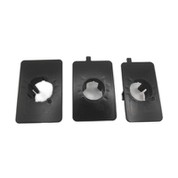


Thermo Plastic Molding
CFY specialize in plastic injection mold components, injection molded parts, thermo plastic molding and have successfully collaborated with companies in these field.

- Product Introduction
FY specialize in plastic injection mold components, injection molded parts, thermo plastic molding and have successfully collaborated with companies in these field. We have over 14 years' experience on this field which give us tremendous depth, experience & knowledge about molding. In our time helping clients with creating products and parts we've seen and done it all. Experience & expertise is important when it comes to manufacturing products.
Types of Injection Mold Parts:
Injection molds consist of several essential parts, each playing a specific role in the injection molding process. Here are the key types of injection mold parts:
Clamping Unit:
Clamp Plates: These are large, sturdy plates that hold the mold halves together during the injection process.
Clamp Mechanism: The mechanism that applies force to keep the mold closed during injection.
Injection Unit:
Hopper: The container that holds the plastic resin granules before they are melted.
Screw or Ram: The mechanism that transports, melts, and injects the plastic material into the mold.
Nozzle: The channel through which the molten plastic is injected into the mold.
Mold Cavity:
Core and Cavity: The mold cavity consists of two halves, the core (which forms the internal shape of the product) and the cavity (which forms the external shape).
Ejector Pins: Pins that help eject the molded part from the mold after it has solidified.
Slides: Additional moving parts that create features such as undercuts in the molded product.
Cooling System:
Cooling Channels: Channels or passages within the mold that allow coolant (usually water) to circulate and control the temperature of the mold during the molding process.
Runner System:
Sprue: The main channel through which the molten plastic enters the mold.
Runners: Smaller channels that distribute the plastic to multiple cavities in the mold.
Gate: The point where the molten plastic enters the cavity.
Ejection System:
Ejector Pins: Pins that push the solidified part out of the mold.
Ejector Plate: A plate that moves the ejector pins to release the molded part.
Venting System:
Vents: Small openings or channels in the mold that allow air and gases to escape during the injection process.
Alignment Pins and Bushings:
Alignment Pins: Pins that ensure proper alignment of the mold halves.
Bushings: Cylindrical components that guide the alignment pins.
Various common uses of injection molded parts derived from the technique include:
*Electronic housings used in remote controls, medical equipment, etc.
*Toys like children's furniture, collectible models, legos in various shapes, colors, and sizes are made out of injection molded plastics.
*Household parts like containers, drinkware, tableware, kitchenware, cabinet closures, flower pots, air freshener units, etc.
*Healthcare/ Medical industry products like plastic syringes, medical tools, implants, medication trays, sharp disposal bins, wall mounts, etc. use injection molded plastics.
*automotive industry applications like interiors of a vehicle.
*other custom injection molded parts
Product details:


Packing Details : Carton, Wooden case, pallet, or according to the customers'
requirements.
Delivery Detail: 25-35 days by sea, 3-7 days by air

FAQ
Q: How long does it take to design a mold for thermoplastic injection?
Designing a thermoplastic injection mold typically takes 5 to 12 weeks. The production time for a thermoplastic injection mold depends on the complexity of the mold. The mold consists of two halves, the fixed portion and the moving portion. If the geometry of the part is complex, the addition of movement (such as slides for core pulling) may be necessary to extract the part from the mold. Ribs can also be inserted to provide mechanical reinforcement, adding complexity and production time to the injection mold. Simplifying the mold design can help reduce manufacturing time.
Additionally, other parameters can affect the production time of thermoplastic injection molds:
Number of Cavities (multi-cavity molds):
More cavities in the mold increase complexity and may extend production time.
Type of Steel Used:
Harder steels require longer machining times. For example, aluminum is softer and machined faster than steel.
Surface Treatments:
Any surface treatments or finishes applied to the mold can add to the production time.
Precision of Part Finishing:
Finishing processes like mirror polishing can increase production time.
It's important to note that the complexity of the part, the chosen materials, and the desired finishes all contribute to the overall production timeline. Collaborating with experienced mold designers and manufacturers can help optimize the design for both functionality and efficient production.
Q: What parameters determine the price of plastic injection mold?
The factors determining the cost and manufacturing time of injection molds, as seen above, are influenced by:
■ Number of Cavities (Mold Cavities):
The simpler the design of the injection mold, the lower the cost.
■ Material Used for Manufacturing the Mold:
The choice of material for constructing the injection mold depends on factors such as the quantity of parts to be produced. Generally, aluminum is less expensive than steel.
■ Type of Injection Required:
The specific injection type needed for the production process.
It's worth noting that the cost of plastic injection molding molds is amortized based on the quantity of parts produced. The cost per injection-molded part can vary from cents to euros.
This price depends on several factors, primarily:
■ Part Size and Complexity:
The size and complexity of the part being molded.
■ Material Used for Injection Molding:
The type of material selected for the injection molding process.
■ Production Quantity:
The volume of parts to be produced.
The cost and production time of injection molds are interconnected with these considerations, and optimizing these factors can help achieve a balance between cost-effectiveness and efficient manufacturing. Collaborating with experienced mold manufacturers and considering the specific requirements of the project are crucial for achieving the desired outcome within the constraints of cost and time.

Hot Tags: thermo plastic molding, thermo plastic molding manufacturers, suppliers, factory, cnc turning and cnc milling, cnc machined components, Plastic Injection Service, Injection Molding Automotive Parts, Quick CNC Machining, CNC Turning