
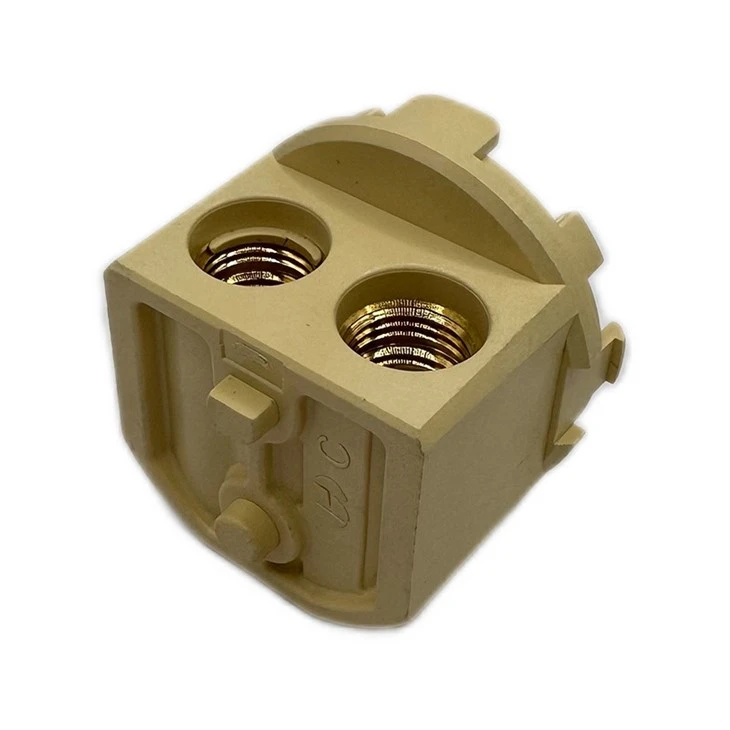
Polypropylene Plastic Injection Molding
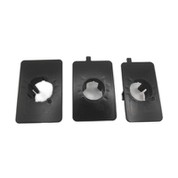
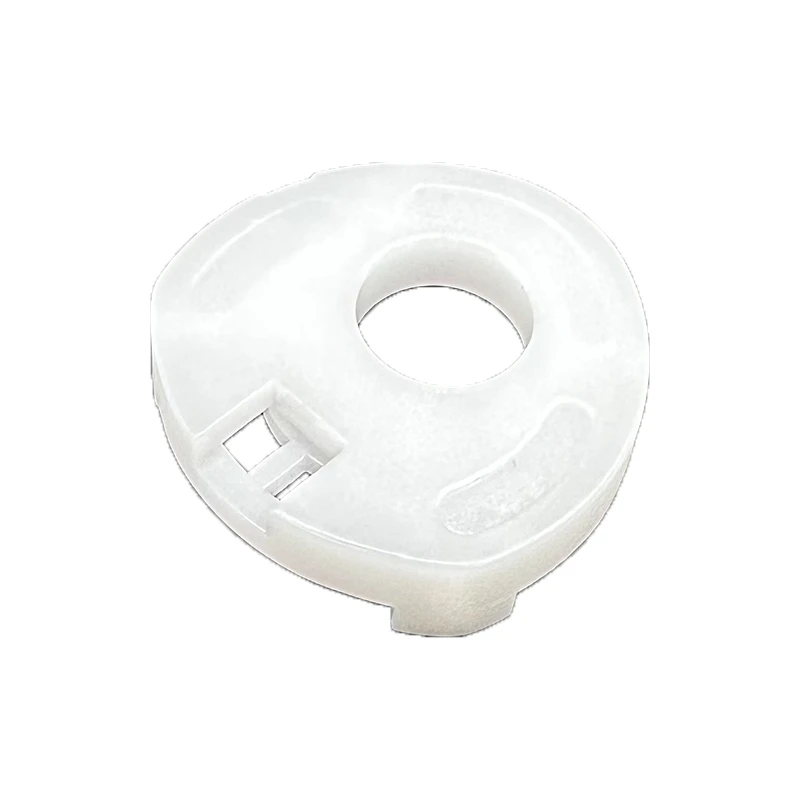
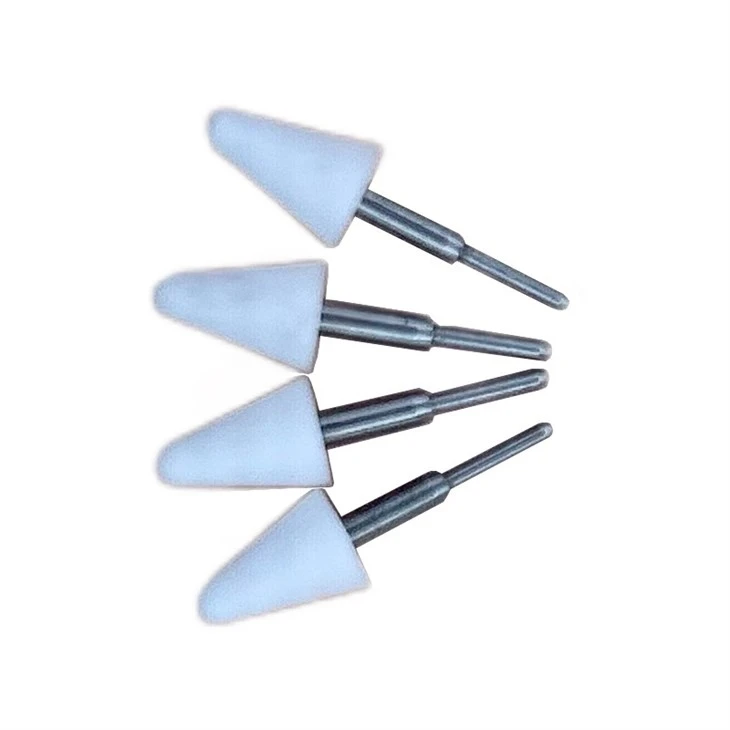
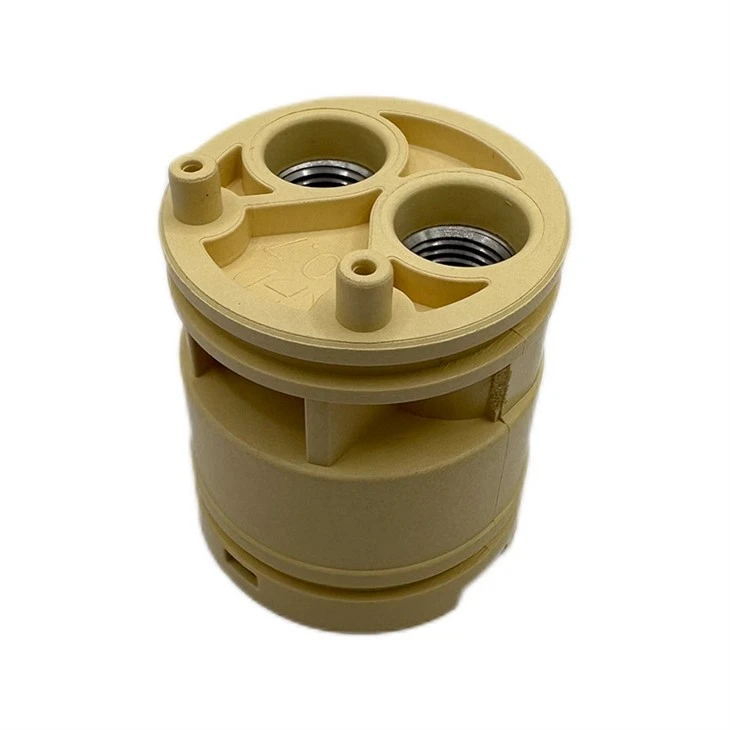
Chien Feng Yuan specialize in polypropylene plastic injection molding, insert molded parts, injection molded parts and have successfully collaborated with companies in these field.

- Product Introduction
Chien Feng Yuan specialize in polypropylene plastic injection molding, insert molded parts, injection molded parts and have successfully collaborated with companies in these field. We have over 14 years' experience on this field which give us tremendous depth, experience & knowledge about molding. In our time helping clients with creating products and parts we've seen and done it all. Experience & expertise is important when it comes to manufacturing products.
Insert Injection Molding vs Overmolding
Insert molding and overmolding are two distinctly different processes that yield unique types of products. Overmolding occurs when one material is molded over another material. The process involves molding a base layer first and then molding additional plastic layers above and around the original component. This creates a finished product. Overmolding can produce durable products with an extended lifespan and enhanced safety features.
In contrast, insert molding occurs when insert materials are injected into the mold cavity before plastic injection molding. The final product is a single piece with plastic encapsulating the inserted components. Plastic injection molded inserts offer a fast and cost-effective assembly process, producing smaller and lighter-weight parts.
The materials used in insert molding can vary, depending on the specific requirements of the application. For the insert components, common choices include metals such as brass, stainless steel, and aluminum, as well as ceramics and different types of plastics.
In plastic molding processes, thermoplastic resins are often preferred due to their excellent molding capabilities and versatile performance. Examples of such resins include polypropylene, ABS (acrylonitrile butadiene styrene), polycarbonate, and nylon, among others.
Polypropylene plastic injection molding
Polypropylene, abbreviated as PP, is a thermoplastic polymer where propylene monomers are connected through polymerization. This plastic polymer is renowned for its toughness and flexibility.
Significance of Using Polypropylene in Injection Molding:
PP is considered one of the most preferred plastics for injection molding, typically available in pellet form.
Low Melt Viscosity: Its low melt viscosity gives it a smooth, flowing consistency. Regardless of its semi-crystalline nature, it can be easily molded to achieve any shape. This property significantly enhances the material's ability to fill molds, making it a popular choice in PP injection molding.
Excellent Surface Slip: Its extremely slippery surface makes it an excellent alternative in areas where less friction is required compared to other plastics.
Similar to Polyethylene (PE): Polypropylene shares almost similar characteristics with polyethylene. The main difference is that PP is slightly harder and more resistant to high temperatures.
Corrosion Resistance: PP exhibits strong resistance to corrosion, rust, and chemical leaks. This characteristic makes it highly suitable for storing solvents, alkalis, and acids.
Readily Available and Cost-Effective: PP is easy to obtain, cost-effective, and serves as a good electrical insulator.
Using polypropylene in injection molding processes offers versatility, cost-effectiveness, and a range of desirable properties, making it a popular choice for various manufacturing applications.
Product details:


Packing Details : Carton, Wooden case, pallet, or according to the customers'
requirements.
Delivery Detail: 25-35 days by sea, 3-7 days by air

FAQ
Q: Why Choose Insert Molding?
Choosing insert molding offers several advantages:
Reduced Assembly Costs: Insert molding helps in lowering assembly costs significantly. With injection molding machines capable of producing thousands of parts daily, economies of scale come into play, reducing the cost per part. This process can eliminate the need for separate assembly processes, saving both time and money.
Enhanced Part Performance: While plastic parts may not match the strength of metal parts, they offer other benefits such as lower costs, excellent design flexibility, and lighter weight. By combining metal inserts with plastic molding, you can leverage the strengths of both materials. Metal inserts provide strength and rigidity where needed, while the rest of the part can be molded in plastic to reduce overall weight. Additionally, metal inserts enhance durability, allowing the part to withstand various types of cyclic loads.
These advantages make insert molding a versatile and cost-effective solution for many manufacturing applications.

Hot Tags: polypropylene plastic injection molding, polypropylene plastic injection molding manufacturers, suppliers, factory, cnc turned parts, Deep Hole Drilling CNC, Medical Micro Molding, Polypropylene Plastic Injection Molding, Plastic Injection Overmolding, Hdpe Plastic Molding