An injection mold is a tool used in the manufacturing process of plastic products. It is typically made of metal, such as steel or aluminum, and contains an internal cavity that matches the shape of the product to be produced. During the injection molding process, molten plastic is injected into the mold through a nozzle, where it fills the cavity and forms the desired shape.
The injection mold typically consists of two halves, called the mold base and the mold half. These two halves come together during the molding process to form the internal cavity, and are then separated to allow for the removal of the finished product. The mold may also include other components, such as ejector pins that push the finished product out of the mold, and cooling channels that help to regulate the temperature of the mold during the molding process.

High production volume
Injection molds are ideal for producing large volumes of identical parts quickly and efficiently. This makes them particularly useful for industries that require high production runs, such as automotive, medical device, and electronics manufacturing.
Tight tolerances
Injection molds can produce parts with extremely tight tolerances, allowing for precise dimensions and smooth surfaces. This results in higher quality products that meet exact specifications and perform well over time.
Consistent quality
Because injection molds are designed to produce thousands of parts before needing replacement, they provide a level of consistency that cannot be achieved with other manufacturing methods. Each part produced using an injection mold will have the same dimensions, shape, and surface finish, ensuring that every product meets the required quality standards.
Design flexibility
Injection molds can be designed to produce a wide range of complex shapes and geometries, making them suitable for producing parts for a variety of applications. From simple household items to intricate medical devices, injection molds can accommodate almost any design requirement.
Cost-effective
While the initial cost of designing and producing an injection mold may be high, the cost per unit produced is typically very low. This is because the mold can be used to produce thousands of parts before needing replacement, resulting in significant savings over time.
Material versatility
Injection molds can be used to produce parts from a wide range of plastic materials, including thermoplastics and thermosets. This allows manufacturers to select the most appropriate material for their application based on properties such as strength, durability, and resistance to chemicals, heat, and impact.
Reduced waste
Injection molds can be designed to maximize the use of the raw material, reducing waste and saving money. Additionally, any excess material can often be recycled and reused, further reducing waste and environmental impact.
Fast turnaround time
Injection molding is a fast and efficient process, allowing for quick turnaround times and rapid prototyping. This makes it ideal for manufacturers who need to get products to market quickly, as well as those who require custom parts for specific applications.
Continuous mold
This type of injection mold is designed for continuous production of plastic parts. The mold remains open while the material is injected, and the finished parts are ejected continuously as the process continues. Continuous molds are typically used for producing long, thin parts such as tubes, rods, and cables.
Insert mold
An insert mold is a type of injection mold that incorporates a pre-made metal or plastic component into the plastic part during the molding process. This allows for the creation of complex parts with metal and plastic components bonded together securely. Insert molds are commonly used in the production of electronic components, medical devices, and automotive parts.
Multi-cavity mold
A multi-cavity mold contains multiple cavities within the mold, allowing for the production of multiple parts simultaneously. This increases productivity and efficiency, as multiple parts can be made with each injection cycle. Multi-cavity molds are commonly used for producing small, simple parts such as caps, lids, and connectors.
Overmold
An overmold is a type of injection mold that adds a second layer of material over an existing part. This allows for the creation of parts with different colors, textures, and materials in a single operation. Overmolds are commonly used in the production of phone cases, computer mice, and other consumer products.
Progressive die stamp mold
This type of injection mold uses a series of progressive dies to shape and cut the plastic material into the desired shape. The material is fed into the machine and moved through a series of stations, each performing a different step in the molding process. Progressive die stamp molds are commonly used for producing complex parts with multiple steps in the molding process.
Stack mold
A stack mold is a type of injection mold that stacks multiple mold cavities on top of each other to increase production capacity. This allows for the production of large numbers of parts in a relatively small space. Stack molds are commonly used in high-volume production environments such as packaging and consumer goods manufacturing.
Thermoforming mold
A thermoforming mold is used to create plastic parts by heating the material to a pliable state and then forming it over a mold. The material is then cooled and hardened to create the finished part. Thermoforming molds are commonly used for producing plastic containers, trays, and other packaging materials.
Material of Injection Mold
Injection molds can be made from a variety of materials, depending on the specific requirements of the mold and the application for which it will be used. Some of the most common materials used to make injection molds include:
Steel: Steel is one of the most popular materials used to make injection molds due to its strength, durability, and ability to withstand high temperatures. It is commonly used for molds that require tight tolerances and can be used for both short and long production runs.
Aluminum: Aluminum is another popular material used to make injection molds due to its light weight, machinability, and lower cost compared to steel. It is commonly used for prototype molds and short production runs.
Hardened tool steel: Hardened tool steel is a type of steel that has been heat-treated to increase its hardness and wear resistance. It is commonly used for high-production molds that require extreme durability and longevity.
P20 plastic: P20 is a type of plastic material that is commonly used for prototype molds and short production runs. It is less expensive than metals and can be easily machined and molded.
Copper: Copper is sometimes used in injection molds for its excellent thermal conductivity, which can improve the cooling of the plastic material during the molding process.
Titanium: Titanium is a lightweight, strong material that is sometimes used in injection molds for its high strength-to-weight ratio and resistance to corrosion.
The choice of material for an injection mold will depend on a variety of factors, including the complexity of the part being produced, the production volume, and the budget for the project. The material selected should provide the necessary durability, precision, and performance characteristics required for the specific application.
Application of Injection Mold

01.Consumer products
02.Automotive industry
03.Medical devices
04.Electronics industry
05.Building and construction
06.Food and beverage industry
Design
The first step in the injection mold making process is to design the mold using computer-aided design (CAD) software. The design takes into account the specifications of the part to be produced, including its dimensions, shape, and features. The CAD model is then analyzed using simulation software to ensure that it can be successfully molded.
Toolpath creation
Once the mold design is complete, the next step is to create the toolpaths that will guide the machines that cut and shape the mold. These toolpaths are generated using CAM (computer-aided manufacturing) software.
Material selection
The material from which the mold will be made is selected based on the specific requirements of the part to be produced. Common materials used to make injection molds include steel, aluminum, and hardened tool steel.
Machining
The raw material is then machined using CNC (computer numerical control) machines to create the various components of the mold. This involves cutting and shaping the material to the exact specifications of the mold design.
Electroplating
After the mold has been machined, it may undergo electroplating to enhance its surface properties. This involves applying a thin layer of metal onto the surface of the mold to improve its durability, resistance to wear, and ability to eject the molded part.
Assembly
The various components of the mold are then assembled using specialized machinery. This involves aligning and fastening the components together to create the completed mold.
Testing
Once the mold has been assembled, it undergoes testing to ensure that it meets the required specifications and can produce the desired part. This may involve running test shots to check for defects and making adjustments as necessary.
Final inspection
The final step in the injection mold making process is a thorough inspection of the completed mold to ensure that it meets all quality standards and is ready for use in the production of plastic parts.
Mold base
The mold base is the foundation of the injection mold and provides the structural support needed to hold the other components in place. It is typically made of steel or aluminum and can be customized to accommodate different mold sizes and shapes.
Fixed platen
The fixed platen is a solid plate that is mounted onto the mold base. It provides a stable surface for the moving platen to clamp against during the injection molding process.
Moving platen
The moving platen is a moveable plate that holds the mold halves together during the injection molding process. It is typically mounted on a hydraulic or mechanical clamp that allows it to be securely clamped against the fixed platen.
Mold halves
The mold halves are two pieces that form the complete mold cavity. They are held together by the moving platen and the fixed platen during the injection molding process. The mold halves contain the intricate details of the part to be produced and must be machined to very tight tolerances.
Sprue bushing
The sprue bushing is a component that guides the flow of molten plastic into the mold cavity. It is typically located at the point where the injection nozzle contacts the mold and helps to prevent backflow of plastic during the injection process.
Runner system
The runner system is a series of channels that directs the flow of molten plastic from the sprue bushing to the mold cavities. It can be designed in a variety of ways depending on the specific requirements of the part to be produced.
Gate
The gate is a small opening that allows the molten plastic to enter the mold cavity. It is typically located at the end of the runner system and is designed to minimize the amount of plastic waste and ensure a uniform fill of the mold cavity.
Ejector pins
The ejector pins are components that push the molded part out of the mold once it has cooled and solidified. They are typically located on the side of the mold opposite the gate and are activated once the mold opens after the injection process.
Cooling system
The cooling system is a network of channels that circulates coolant through the mold to help it cool and solidify quickly. This is important for maintaining the consistency of the plastic parts and preventing warping or other defects.
Regular cleaning
One of the most important maintenance tasks for an injection mold is regular cleaning. This involves removing any dirt, debris, or residual plastic from the mold surface using a soft brush and cleaning agent. Special attention should be paid to areas around the ejector pins, sprue bushing, and other components that can become clogged or damaged over time.
Inspection
Regular inspection of the mold is also important to identify any potential problems before they cause significant damage. This includes checking for signs of wear or damage on the mold surface, inspecting the ejector pins and other moving components for proper functioning, and verifying that the mold cavity is free from defects such as scratches or pits.
Lubrication
Applying lubricant to the mold can help reduce friction and wear on the moving components. This is particularly important for molds that are used frequently or for extended periods of time. The lubricant should be applied to the moving parts of the mold, such as the ejector pins and the sprue bushing.
Storage
When the mold is not in use, it should be stored in a dry, clean environment to prevent corrosion and damage. The mold should be cleaned and lubricated before being placed in storage, and it should be covered with a protective coating to protect it from dust and other contaminants.
Maintenance schedule
Developing a regular maintenance schedule can help ensure that the mold is maintained properly and any potential problems are addressed promptly. This schedule should include regular cleaning, inspection, and lubrication tasks, as well as more extensive maintenance tasks such as replacing worn components or repairing damage.
Training
Providing training to the operators who use the injection mold can also help ensure proper maintenance and extend the life of the mold. This training can cover topics such as how to properly clean and lubricate the mold, how to identify potential problems, and how to safely operate the mold.
Material selection
The material used for the injection mold will depend on the specific requirements of the product to be produced. Common materials used for injection molds include steel, aluminum, and plastic. Each material has its own advantages and disadvantages in terms of cost, durability, and production time. It is important to consider the material selection carefully and choose the material that best suits the needs of the product.
Mold design
The design of the injection mold is critical to achieving the desired shape, size, and features of the final product. The mold design should take into account factors such as the complexity of the part, the required tolerances, and the production volume. It is important to work with a qualified mold designer to ensure that the mold design meets all of the necessary requirements.
Mold manufacturer
Choosing a reputable mold manufacturer is essential to ensure the quality and accuracy of the injection mold. Look for a manufacturer with experience in producing similar products and with a good track record of delivering high-quality molds. Be sure to ask for references and samples of previous work to help evaluate the manufacturer's capabilities.
Cost considerations
The cost of the injection mold will depend on various factors such as the material selected, the complexity of the mold design, and the manufacturer's production capabilities. It is important to consider these factors carefully and choose a mold that fits within the budget while still meeting the necessary quality and accuracy requirements.
Testing and validation
Before placing an order for the injection mold, it is important to test and validate the mold design to ensure that it meets all of the necessary requirements. This can involve creating a prototype mold or using computer simulation tools to verify the mold design. This step can help avoid costly errors and ensure that the final product meets all of the necessary specifications.
How Injection Mold Work
An injection mold is a tool used in the manufacturing process of plastic products. It works by injecting molten plastic material into the mold cavity under high pressure, where it cools and solidifies into the desired shape. Here are some of the key steps involved in the injection molding process:
Material preparation: The plastic material to be molded is first melted in a heating device called a hopper. The hopper heats the plastic material to its melting point, turning it into a molten liquid.
Injection: The molten plastic material is then injected into the mold cavity through a nozzle attached to the injection unit of the injection molding machine. The injection unit uses high pressure to force the molten plastic into the mold.
Cooling: Once the molten plastic is inside the mold, it begins to cool and solidify. The cooling process can be accelerated by using a cooling system, such as a water jacket, which surrounds the mold and circulates cold water to help draw heat away from the plastic.
Ejection: Once the plastic has cooled and solidified, the mold opens and the finished part is ejected out of the mold by the ejector pins. The mold closes again and the process is repeated, creating another part.
Post-processing: After the parts are ejected from the mold, they may undergo additional post-processing steps, such as trimming, drilling, painting, or other finishing operations to achieve the desired appearance and functionality.
The injection molding process allows for the efficient production of large quantities of plastic parts in a relatively short amount of time. By using an injection mold, manufacturers can produce consistent, high-quality parts with minimal waste and reduced manufacturing costs.
CFY specialize in plastic injection, CNC turning, CNC milling, CNC grinding and have successfully collaborated with companies in these field. We have over 14 years' experience on this field. We specialize in producing various types of components, which are widely applicable to aviation, hand tools, electronics, electrical appliances, automotive, machinery, construction materials, optics, electronic gadgets, cosmetics, and household items.
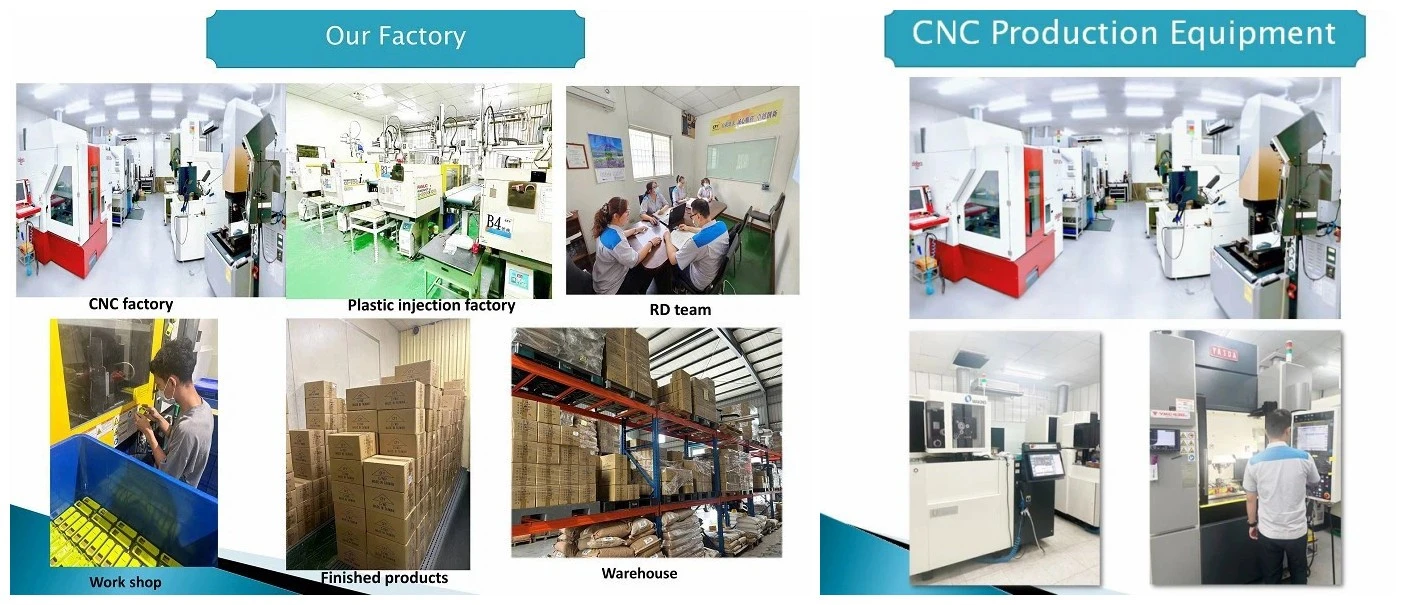
As one of the leading injection mold manufacturers and suppliers, we warmly welcome you to buy discount injection mold for sale here from our factory. All customized products are with high quality and competitive price. For pricelist and free sample, contact us now.
injection molding production, Arthritis Knee Replacement, cnc metal cutting(0/10)