




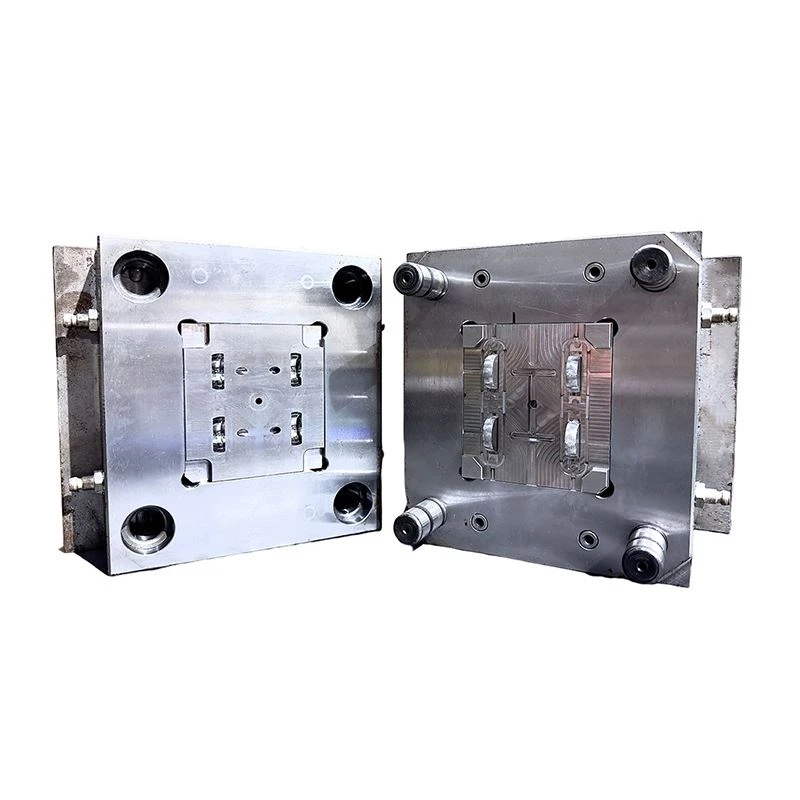

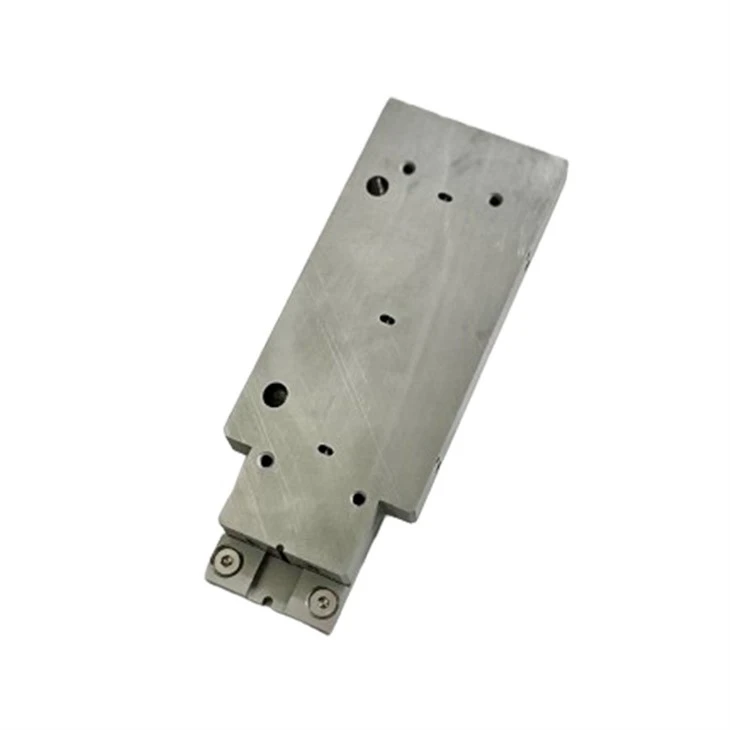
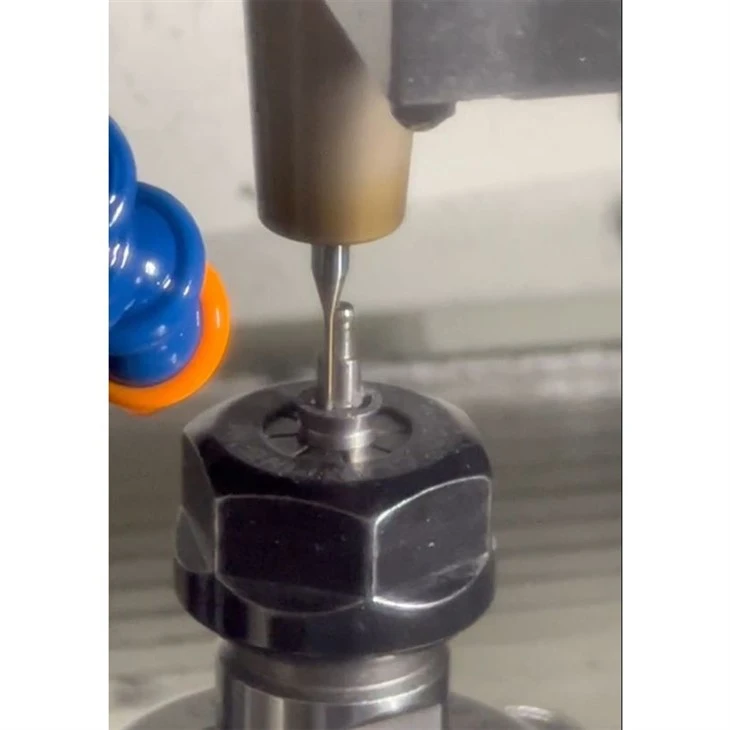
Steel Casting Molds
CFY is a professional OEM cnc cutting manufacturer specializing in the production of steel casting molds, permanent mold casting, cnc cutting.

- Product Introduction
CFY is a professional OEM cnc cutting manufacturer specializing in the production of steel casting molds, permanent mold casting, cnc cutting. We focus on the design and manufacturing of small, complex precision stamped components, boasting a team of engineers with 14 years of stamping experience. From prototype to production, our team can provide you with the optimal cnc cutting solutions. In our time helping clients with creating products and parts we've seen and done it all. Experience & expertise is important when it comes to manufacturing products.
What Is Permanent Mold Casting?
Permanent mold casting is a process that typically utilizes a clamped, two-part, and reusable mold. These molds are often cut from cast iron or steel (and historically, from stone or fired clay) and are employed for casting low and medium melting point metals. The castings produced using this method exhibit higher quality surface finish, dimensional accuracy, and mechanical performance compared to sand casting.
Permanent mold casting is particularly suitable for producing parts with relatively simple geometries and no fine features, as these can be resistant to filling effectively.
What Is the Importance of Permanent Mold Casting in Manufacturing?
The significance of metal die casting lies in its ability to produce metal components with superior surface finish, lower porosity, and tighter tolerances compared to results from sand casting. The reduction in cleaning and post-processing can lower the overall cost of the supply process. Metal die casting can also manufacture complex, relatively thin-walled parts and internal features, which can be challenging for sand casting. Additionally, production can commence quickly as the tools are relatively simple compared to more advanced processes like pressure die casting. The process is capable of swift recovery after production interruptions, making it well-suited for addressing fluctuating demands.
Stainless Steel Casting Methods
Stainless Steel Centrifugal Casting:
Centrifugal casting is one of the superior casting methods. Unlike other processes that utilize pressure and gravity, it relies on solid centrifugal force. This allows for the convenient creation of hollow structures and cylindrical parts.
Ideally, in this process, a cylindrical mold is constructed, and the casting is produced utilizing centrifugal force. The castings are typically made of permanent metals, commonly iron or steel.
Stainless Steel Investment Casting:
In this process, the mold cavity is made of foam or wax. The mold is typically coated with refractory material to form the mold. Subsequently, when molten metal flows into the mold, the wax melts. Finally, the casting cools and solidifies.
Stainless Steel Continuous Casting:
Also known as strand casting, it is commonly used to manufacture specific lengths of stainless steel for industrial processes. To achieve this, steel is fed into a tundish, and the molten steel flows through a vertical crystallizer. The mold is equipped with a cooling system for the solidification of the steel. The main advantages of this method are minimal material waste, high production yield, and high-quality castings.
Stainless Steel Pressure Die Casting Process:
This is one of the most ideal and cost-effective manufacturing methods for producing high-end metal castings with designs close to the final shape. The die-casting method involves injecting molten stainless steel under high pressure into the mold cavity. To create the mold cavity, tooling molds with the desired shape can be used. After the molten metal fills the mold, it rapidly cools and solidifies, forming the required net-shape casting.
Product details:


Packing Details : Carton, Wooden case, pallet, or according to the customers' requirements.
Delivery Detail: 25-35 days by sea, 3-7 days by air
FAQ
Q: What is the difference between temporary and permanent Mould?
Both permanent mold and die casting use steel molds to form a cavity that accommodates molten aluminum during cooling. It is these molds that distinguish the process from sand casting, where a new cavity is formed in the sand with each cycle. Mold coatings protect the steel from wear caused by molten metal.
The main distinction between the two steel mold technologies lies in how the metal enters the mold. In metal die casting, metal flows into the cavity from a holding furnace. Gates control the flow rate to reduce turbulence. Typically, molds are designed to be filled from the bottom or the side, with the sprue located at the highest point.
After filling, the metal needs time to solidify before the mold is opened and the part is removed. Features such as internal passages are created by inserting inserts into the mold before it closes.
In contrast to gravity-fed permanent mold casting, in die casting, metal is forced into the cavity under pressure. This makes it similar to plastic injection molding. Similar to metal die casting, once the metal solidifies, the mold opens, and the casting is removed.
Q: What Is the Life Span of Permanent Mold Casting Products?
It is not possible to generalize the lifespan of permanent mold cast parts. The lifespan of materials and parts manufactured in this manner results from various potential failure modes, with each failure mode being more of a consequence of design or material selection issues rather than the manufacturing process itself. Failure modes affecting the lifespan include: fracture, fatigue, corrosion, and wear.
Hot Tags: steel casting molds, steel casting molds manufacturers, suppliers, factory, best plastic for injection molding, machined plastic, thermo molding plastic, 3 axis cnc, Steel Casting Molds, Medical Device Plastic Injection Molding


