





Deep Hole Drilling CNC
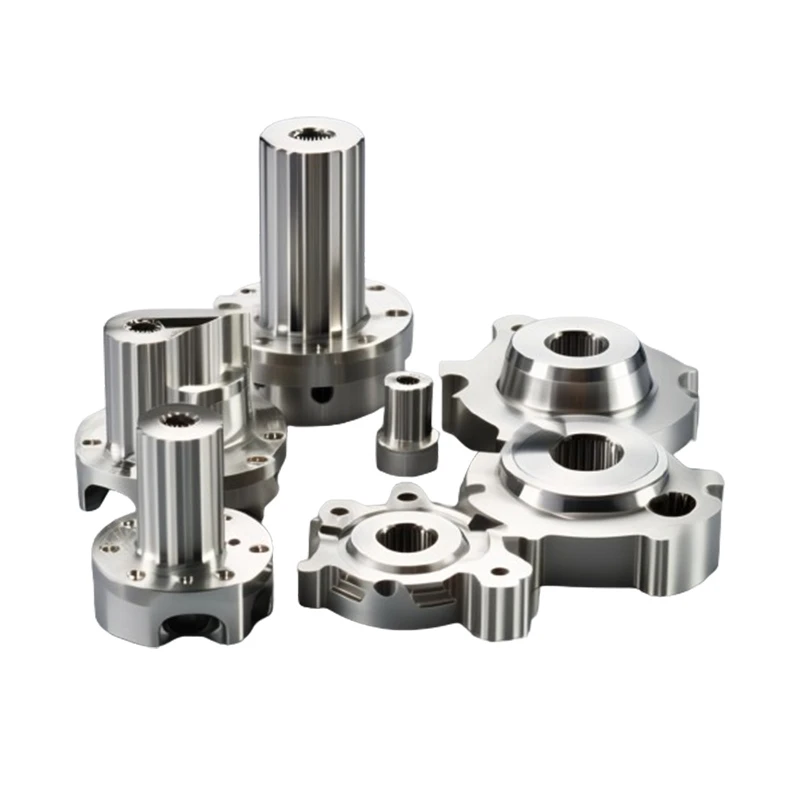
CFY is a professional OEM cnc cutting manufacturer specializing in the production of 3 axis cnc, deep hole drilling cnc, cnc cutting, stainless steel turned components.

- Product Introduction
CFY is a professional OEM cnc cutting manufacturer specializing in the production of 3 axis cnc, deep hole drilling cnc, cnc cutting, stainless steel turned components. We focus on the design and manufacturing of small, complex precision stamped components, boasting a team of engineers with 14 years of stamping experience. From prototype to production, our team can provide you with the optimal cnc cutting solutions. In our time helping clients with creating products and parts we've seen and done it all. Experience & expertise is important when it comes to manufacturing products.
What Is Deep Hole Drilling?
Deep hole drilling is a process that involves machining holes with a depth at least ten times greater than the diameter. The distinctive feature of deep holes is that the depth-to-diameter ratio is typically at least 10:1. This technique is applicable for creating holes of required depth in various CNC machining materials, ranging from aluminum to the strongest superalloys.
Deep hole drilling is a widely used technology in many industrial applications. It originated from the need for high-precision drilling of gun barrels, requiring depth ratios of up to 20:1.
Over time, the technology has evolved and expanded into other applications, including manufacturing automotive parts such as camshafts, crankshafts, fuel rails, and injector bodies; producing low holes in injection molding, landing gear, and other aerospace components; as well as various parts in aircraft. It is also utilized in the oil and gas industry, general engineering components like hydraulic cylinders, and more.
What Is Deep Hole Drilling?
Precision and Accuracy:
Due to the automated nature of deep hole drilling operations, precise and accurate drilling depth-to-diameter ratios can be achieved. Therefore, deep drilling is highly suitable for obtaining holes with dimensions that fully comply with industry requirements in sectors such as aerospace and defense.
Improved Surface Finish:
The deep hole drilling process provides better surface finish than traditional methods using twist drills. Deep drilling involves the use of specialized tools and devices to facilitate high-pressure coolant flow and efficient chip evacuation, ensuring excellent surface quality of the holes. Consequently, this superior surface finish reduces friction and wear, ensuring the durability and proper performance of moving parts.
Extended Tool Life:
Tools used in deep hole drilling are typically durable, as they are made from high-strength materials and feature unique geometries. As a result, these tools can withstand wear and prevent the need for frequent tool changes. Therefore, prolonging the tool life of deep hole drilling machines contributes to cost savings while ensuring optimal productivity.
What is 3-Axis Machining?
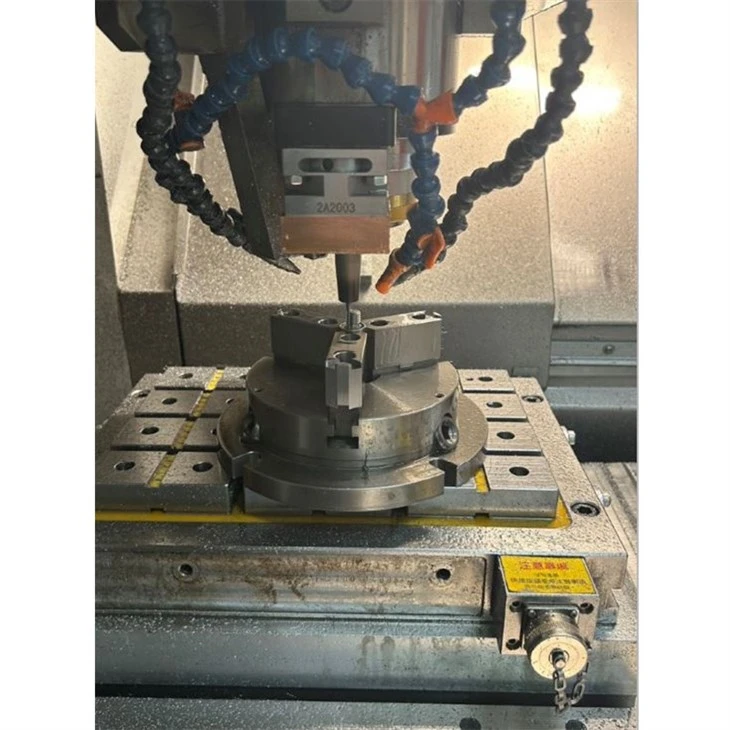
At its core, three-axis machining is a multi-axis machining process involving the coordinated motion of machine cutting tools or workpieces along three different axes simultaneously. The simultaneous operation along the x-axis, y-axis, and z-axis supports the principles of this machining process.
When employed in CNC machining, this ensures high precision in material removal, thereby creating precise, intricate, and complex mechanical components.
Higher Precision: Due to the accuracy of CNC machine tools and the capability to move along three axes, three-axis machining ensures high precision and quality results.
Versatility: 3-axis machining excels in handling various materials and geometric shapes. This versatility makes it an ideal choice for a wide range of industries and applications.
Automation: With CNC machine tools in control, 3-axis machining minimizes the need for manual intervention. This level of automation enhances productivity and reduces the likelihood of errors.
Efficiency: 3-axis machining optimizes the use of resources and energy, contributing to improved efficiency in the manufacturing process.
Product details:


Packing Details : Carton, Wooden case, pallet, or according to the customers' requirements.
Delivery Detail: 25-35 days by sea, 3-7 days by air
FAQ
Q: Benefits of 3-Axis Machining
Higher Precision: Due to the accuracy of CNC machine tools and the capability to move along three axes, three-axis machining ensures high precision and quality results.
Versatility: 3-axis machining excels in handling various materials and geometric shapes. This versatility makes it an ideal choice for a wide range of industries and applications.
Automation: With CNC machine tools in control, 3-axis machining minimizes the need for manual intervention. This level of automation enhances productivity and reduces the likelihood of errors.
Efficiency: 3-axis machining optimizes the use of resources and energy, contributing to improved efficiency in the manufacturing process.
Q: Drawbacks of 3-Axis Machining
While 3-axis machining comes with numerous advantages, it also has its limitations:
Complexity Constraints: While 3-axis machining can manufacture intricate parts, there are limits to the complexity it can achieve. Geometric shapes that require 5-axis machining fall outside its scope.
Increased Setup Time: Setting up a 3-axis machine can be time-consuming, particularly depending on the complexity of the part to be machined. This may lead to production delays, affecting efficiency and output.
Hot Tags: deep hole drilling cnc, deep hole drilling cnc manufacturers, suppliers, factory, Aerospace Metal Stamping, Precision Metal Stamping Parts, cnc turning service, makino cnc, plastic molded auto parts, Medical Micro Molding


