





Aluminium CNC Machining
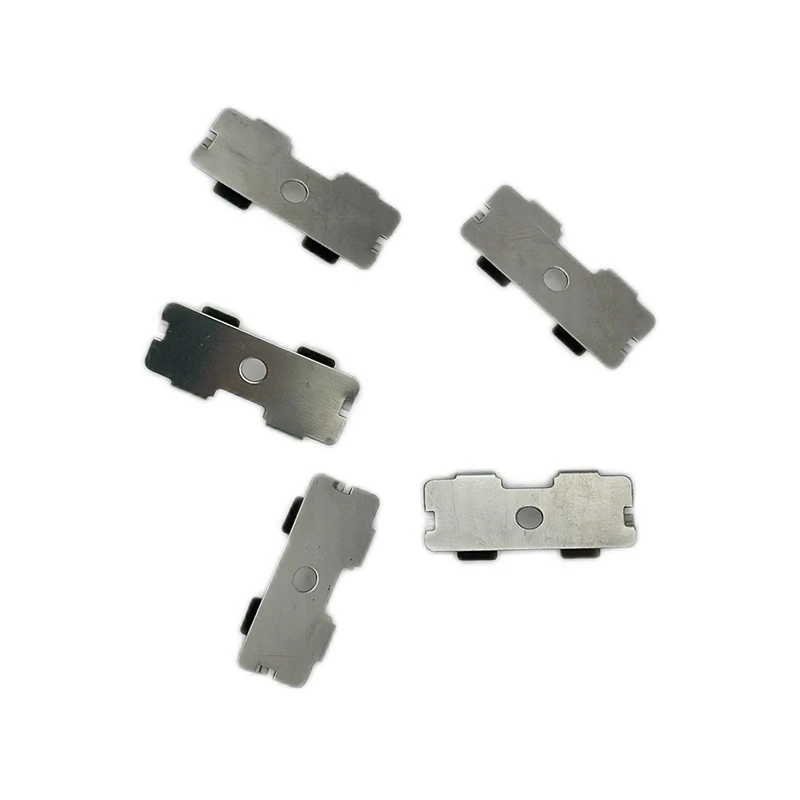
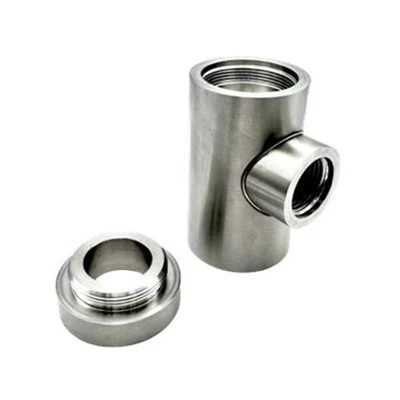
CFY is a professional OEM aluminium cnc machining manufacturer specializing in the production of cnc steel parts, industrial parts, cnc cutting, stainless steel turned components.

- Product Introduction
CFY is a professional OEM aluminium cnc machining manufacturer specializing in the production of cnc steel parts, industrial parts, cnc cutting, stainless steel turned components. We focus on the design and manufacturing of small, complex precision stamped components, boasting a team of engineers with 14 years of stamping experience. From prototype to production, our team can provide you with the optimal cnc cutting solutions. In our time helping clients with creating products and parts we've seen and done it all. Experience & expertise is important when it comes to manufacturing products.
Aluminum CNC Machining Services
CNC machining can be performed on any material hard enough to be milled, such as plastic, metal, or fiberglass, although aluminum stands out as the most popular choice within product teams. Due to its exceptional physical properties and surface morphology, aluminum is one of the most commonly used materials in CNC machining applications. Aluminum components for CNC machining start as a raw metal block, gradually cut into the desired shape or object using CNC (Computer Numerical Control) machines.
Due to its inherent rigidity, CNC aluminum is well-suited for mechanical parts, and its oxide outer layer protects it from environmental corrosion. Aluminum possesses several characteristics that make CNC aluminum machining more accessible and efficient. Unlike many other metals with similar material qualities, aluminum has high machinability, with many grades being easy to penetrate with cutting tools, producing manageable chips, and forming shapes effectively. The high machinability of aluminum leads to faster machining times, reducing labor and CNC machine time. It also makes achieving finer tolerances for precision products in aluminum machining more manageable. Aluminum processing, in simple terms, involves the use of aluminum alloys in the manufacturing process of products. Aluminum CNC machining utilizes computer software and other compatible equipment to move machine tools on the surface of aluminum materials.
This process can yield high-precision and accurate machined parts. The availability of various grades of aluminum and its high machinability make it extremely useful in mechanical machining applications. Its low cost also makes it an ideal choice for prototype design and customized tooling.
Benefits of Aluminum CNC Machining
Machinability:
Aluminum is frequently chosen over other metals due to its machinability. This metal is easy to shape and produces easily manageable chips, allowing precise and efficient cutting using CNC machining equipment. Its high level of machinability helps shorten the time for machining projects, making the process more cost-effective. Additionally, aluminum's machinability minimizes the risk of part deformation during cutting, enhancing precision, accuracy, and repeatability.
Corrosion Resistance:
Different grades of aluminum exhibit varying levels of corrosion resistance. However, commonly used CNC machined aluminum parts showcase excellent corrosion resistance in atmospheric and marine conditions. A typical example is aluminum 6061. Furthermore, the anodized surface treatment of these alloys enhances their corrosion resistance.
Strength-to-Weight Ratio:
The mechanical properties of aluminum make it an ideal choice for mechanical applications. Despite being lightweight, aluminum boasts very high strength. Many parts utilize aluminum due to its favorable physical characteristics, including lightweight and high strength. These features make aluminum suitable for manufacturing critical components in industries such as automotive and aerospace. Some parts that rely on CNC machined aluminum include automotive shafts and aircraft components.
Conductivity:
CNC machined aluminum parts, owing to their conductivity, contribute to the production of electrical and electronic components. Aluminum typically has higher conductivity than stainless steel, with a conductivity of approximately 37.7 million siemens per meter at room temperature.
Recyclability:
Another significant advantage of aluminum is its high recyclability. CNC machining, being a subtractive process, generates some chips as waste. The recyclability of aluminum helps reduce material waste and can be financially beneficial for those looking to recover some expenses.
Product details:


Packing Details : Carton, Wooden case, pallet, or according to the customers' requirements.
Delivery Detail: 25-35 days by sea, 3-7 days by air
FAQ
Q: What are the factors for consideration in Aluminum CNC machining?
For high-quality CNC machining of aluminum, various factors should be taken into consideration. These include tool material (hard alloys), tool geometry (number of flutes, helix angle, and rake angle), cutting speed, feed rate, and cutting fluid.
Tool Material (Hard Alloys):
The choice of tool material is crucial for effective aluminum CNC machining. Hard alloys, such as carbide, are commonly preferred due to their durability and resistance to wear. Carbide tools maintain their cutting edge for an extended period, ensuring consistent performance during aluminum machining.
Tool Geometry (Number of Flutes, Helix Angle, and Rake Angle):
The geometry of the cutting tool plays a significant role in the machining process. Factors such as the number of flutes, helix angle, and rake angle impact the tool's efficiency and the quality of the machined surface. Optimal tool geometry helps in achieving precise cuts and minimizing heat generation.
Cutting Speed:
Determining the appropriate cutting speed is essential for efficient aluminum machining. The cutting speed is the speed at which the tool moves relative to the workpiece. It influences the rate of material removal and the generation of heat. Adjusting the cutting speed optimally ensures smooth machining and helps prevent tool wear.
Feed Rate:
The feed rate is the rate at which the tool advances into the workpiece. It affects the efficiency of material removal and the surface finish. Finding the right balance in feed rate is crucial to achieving accurate dimensions and preventing tool overload.
Cutting Fluid:
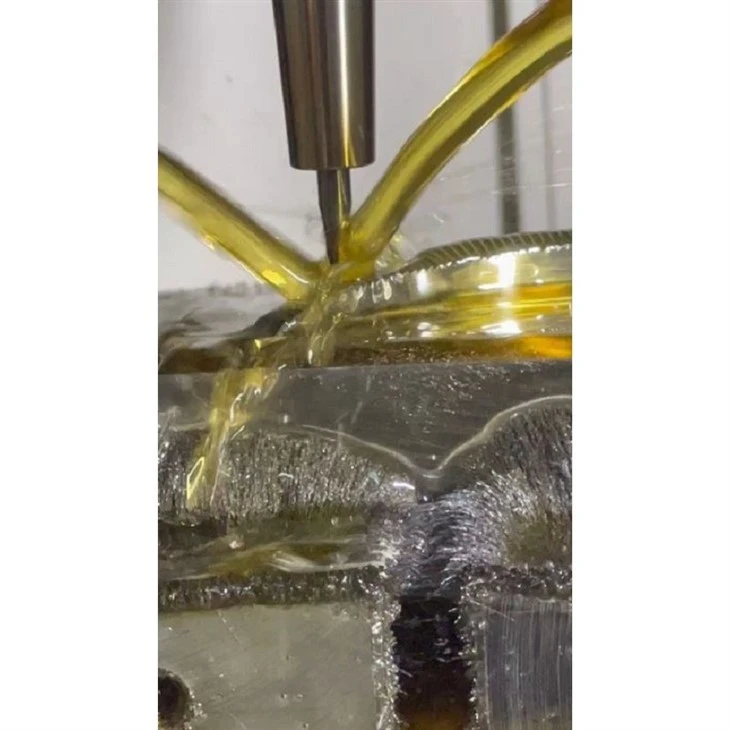
The use of cutting fluid is beneficial in aluminum CNC machining. It helps dissipate heat generated during machining, improves chip evacuation, and enhances tool life. Proper selection and application of cutting fluid contribute to the overall efficiency and quality of the machining process.
Considering these factors and optimizing the machining parameters based on the specific characteristics of aluminum contribute to successful CNC machining and the production of high-quality aluminum parts.
Q: Is Aluminum CNC machining expensive?
Certainly, manufacturing aluminum parts using CNC machine tools is an economically efficient process, especially for large-scale production. Additionally, we offer highly competitive prices. Contact us to obtain a quote within 24 hours.
Hot Tags: aluminium cnc machining, aluminium cnc machining manufacturers, suppliers, factory, cnc tooling, cnc machine cutting aluminum, metal molds for casting, molybdenum wire cut edm, industrial automation spare parts, Injection Molding


