

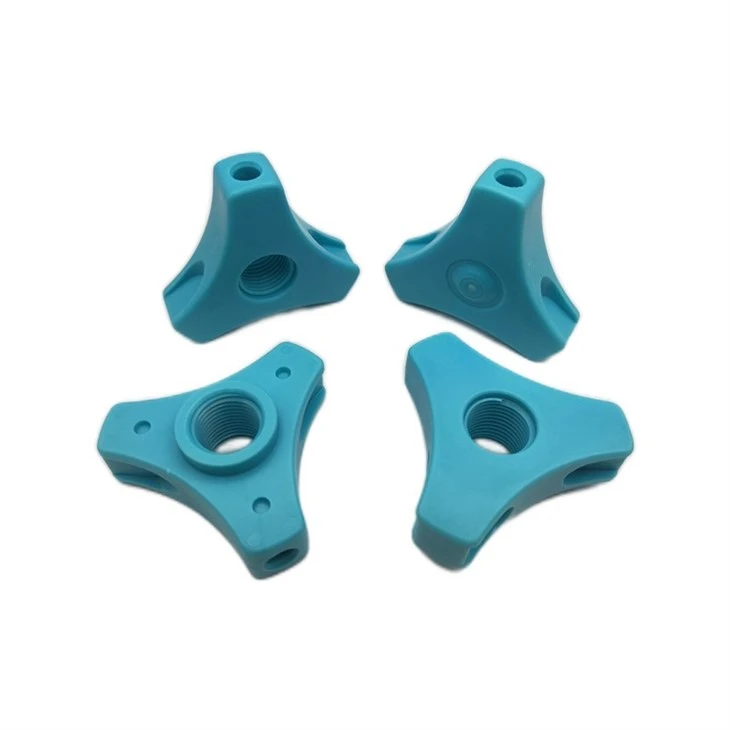
Thermoplastic Injection Molding
CFY specialize in plastic injection, plastic injection, Injection Molding and Parts, thermoplastic injection molding and have successfully collaborated with companies in these field.

- Product Introduction
CFY specialize in plastic injection, plastic injection, Injection Molding and Parts, thermoplastic injection molding and have successfully collaborated with companies in these field. We have over 14 years' experience on this field which give us tremendous depth, experience & knowledge about molding. In our time helping clients with creating products and parts we've seen and done it all. Experience & expertise is important when it comes to manufacturing products.
How does thermoplastic Injection Molding Process Work?
"Thermoplastic injection molding is a widely used manufacturing process for producing plastic parts in large quantities. The process involves the use of a thermoplastic material, which can be melted and solidified repeatedly without undergoing any significant chemical change. Here is an overview of the thermoplastic injection molding process:
Mold Design:
The first step in the process is to design a mold that corresponds to the desired shape of the final plastic part. The mold is typically made of steel and consists of two halves: the cavity (which shapes the part) and the core (which creates any voids or undercuts).
Clamping:
The mold is mounted on the injection molding machine, and the two halves are securely clamped together. This clamping force is necessary to hold the mold closed during the injection and cooling phases.
Injection:
Granular or pelletized thermoplastic material is fed into a hopper on the injection molding machine. The material is then heated to its melting point and injected into the mold cavity under high pressure. The injection unit consists of a screw that rotates and pushes the molten plastic into the mold.
Cooling:
Once the molten plastic is in the mold cavity, it begins to cool and solidify, taking the shape of the mold. The cooling time is a critical factor in the process, as it affects the quality and characteristics of the final part. Proper cooling ensures that the part solidifies uniformly and without defects.
Opening the Mold:
After the cooling period, the mold is opened, and the newly formed plastic part is ejected. Ejector pins or other mechanisms help release the part from the mold.
Secondary Operations:
Depending on the part's requirements, additional secondary operations may be performed, such as trimming excess material, adding inserts, or applying surface finishes.
Repeating the Process:
The entire cycle is then repeated for the production of the next part. The high efficiency and speed of the injection molding process make it suitable for mass production.
Key Advantages of Thermoplastic Injection Molding:
High production speed.
Ability to produce complex and detailed parts.
Consistent and high-quality parts.
Wide range of thermoplastic materials can be used.
Minimal material waste.
Overall, thermoplastic injection molding is a versatile and efficient process for the production of a variety of plastic parts used in numerous industries, including automotive, electronics, medical, and consumer goods.
The use of an aluminum mold (instead of the commonly used steel) allows the investment costs to be reduced. This rapid prototyping technology is more expensive but is the most effective, because it allows plastic prototype parts made of the "real material" to be obtained. The parts obtained are identical to series injection-molded parts. They can be marketed or used in transition production.
Using prototype molds for thermoplastic plastic injection is the most expensive and slowest rapid prototyping technique. However, it is also the most effective, as it allows obtaining plastic prototype parts made from the ""correct materials."" Due to the identical manufacturing process, the strength, mechanical performance, and industrial information match those of injection-molded production parts. These parts can be sold or used for transitional production. The production speed and unit cost are more attractive compared to other technologies. The barrier for this technology is that mold manufacturing typically requires a significant investment.
Product details:


Packing Details : Carton, Wooden case, pallet, or according to the customers'
requirements.
Delivery Detail: 25-35 days by sea, 3-7 days by air

FAQ
Q:How long does it take to build an injection mold?
A: Each project is unique, so we require varying amounts of time to build molds. 8-10 weeks on average, depending on the complexity and cavitations of the mold.
Q: Do you offer prototype tooling?

Hot Tags: thermoplastic injection molding, thermoplastic injection molding manufacturers, suppliers, factory, CNC Service, brass wire edm, Machining Metal Parts, Injection Mold, 5 axis machining, cnc turning service